A New Study Highlights Alarming Phosphorus Loss From U.S. Soils
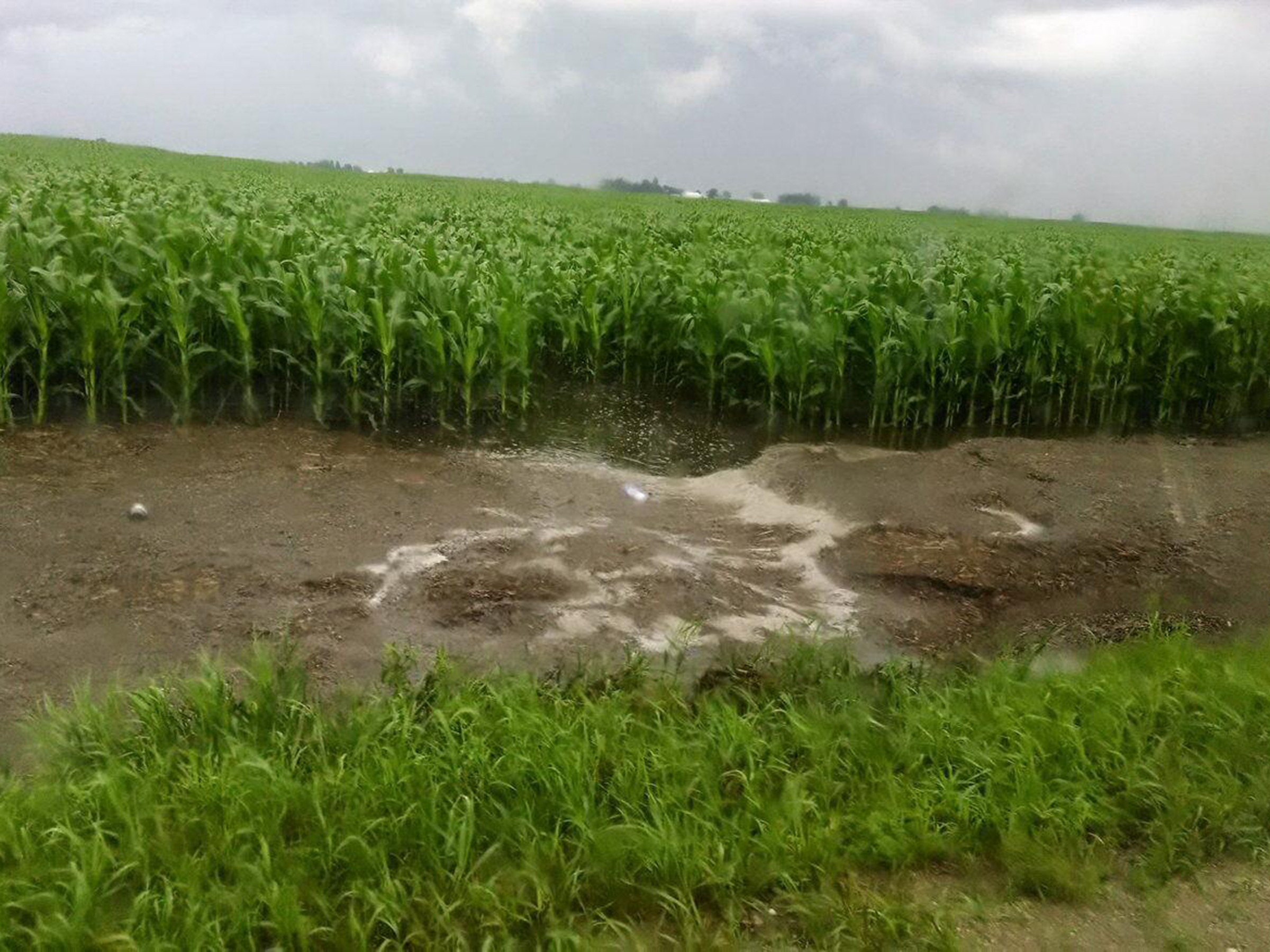
In a **comprehensive study** led by Penn State researchers, significant findings have emerged regarding the **loss of phosphorus** from U.S. agricultural lands. Despite efforts to curtail this loss over the past forty years, the research, published in the *Proceedings of the National Academy of Sciences*, reveals that phosphorus continues to wash away, primarily due to increased severe weather events. **Phosphorus** is crucial for sustaining crop yields and maintaining ecological balance in waterways, but its **non-renewable nature** makes its loss from soil particularly concerning. The study utilized a sophisticated **deep learning model** to analyze data from 430 U.S. rivers, discovering that while some efforts to manage phosphorus from urban point sources like wastewater treatment have seen success, agricultural runoff remains a persistent issue. This loss not only threatens agricultural productivity but also contributes to harmful algal blooms in waterways, complicating water treatment and raising costs. Highlighting **climate change** as a major factor, the study points to more frequent and intense storms elevating river flows and enhancing phosphorus runoff. There is a call for **new technologies and farming practices** to better manage phosphorus levels and mitigate its environmental impact. Hunter Swisher, a Penn State alumnus, has developed a promising technology through his company, Phospholutions, which aims to reduce phosphorus runoff significantly. This innovative approach is gaining traction globally as part of the broader effort to tackle this pressing issue. The work, supported by various academic and governmental bodies, underscores the growing challenges in maintaining the delicate balance between land and water health, urging for immediate action and innovation.