AI Nobel Prize Highlights Power of Interdisciplinary Science
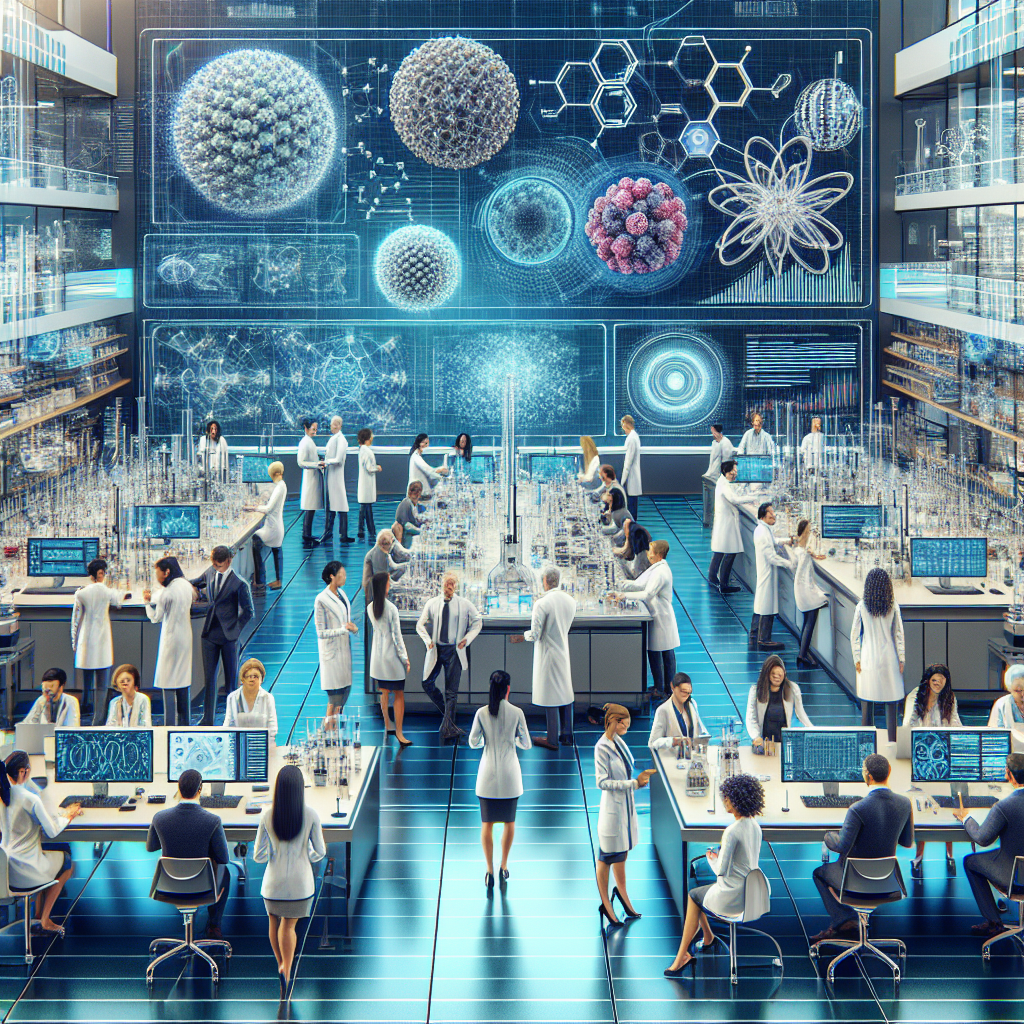
The article from Carnegie Mellon University examines the recent intersection of physics, chemistry, and artificial intelligence, highlighted by the recent Nobel Prizes awarded to pioneers in these fields. **John Hopfield and Geoffrey Hinton** were honored in physics for their foundational work in AI, and **David Baker, Demis Hassabis, and John Jumper** in chemistry for solving the protein-folding problem using AI. This convergence illustrates the significant role of interdisciplinary research in advancing AI technologies. The authors delve into the **historical development of neural networks**, showcasing how foundational discoveries across physics, chemistry, computer science, and mathematics have enabled modern machine learning advancements. They highlight that engineering innovations often precede scientific understanding and underscore the **importance of cross-disciplinary collaboration** in AI progress. A key message of the article is the call for a new paradigm in research, advocating for the development of AI-enabled polymaths, or "modern-day Leonardo da Vincis," who can bridge theoretical advancements with practical applications. This approach, the authors argue, is not only beneficial but essential for tackling global challenges like climate change through a holistic synthesis of knowledge. Through fostering a culture of intellectual curiosity and breaking down barriers between scientific fields, the authors propose that AI can achieve its full potential, offering **unprecedented opportunities and significant challenges** that require innovative solutions from interdisciplinary thinkers.