Animal Characters in Children's Books Aid Psychological Development
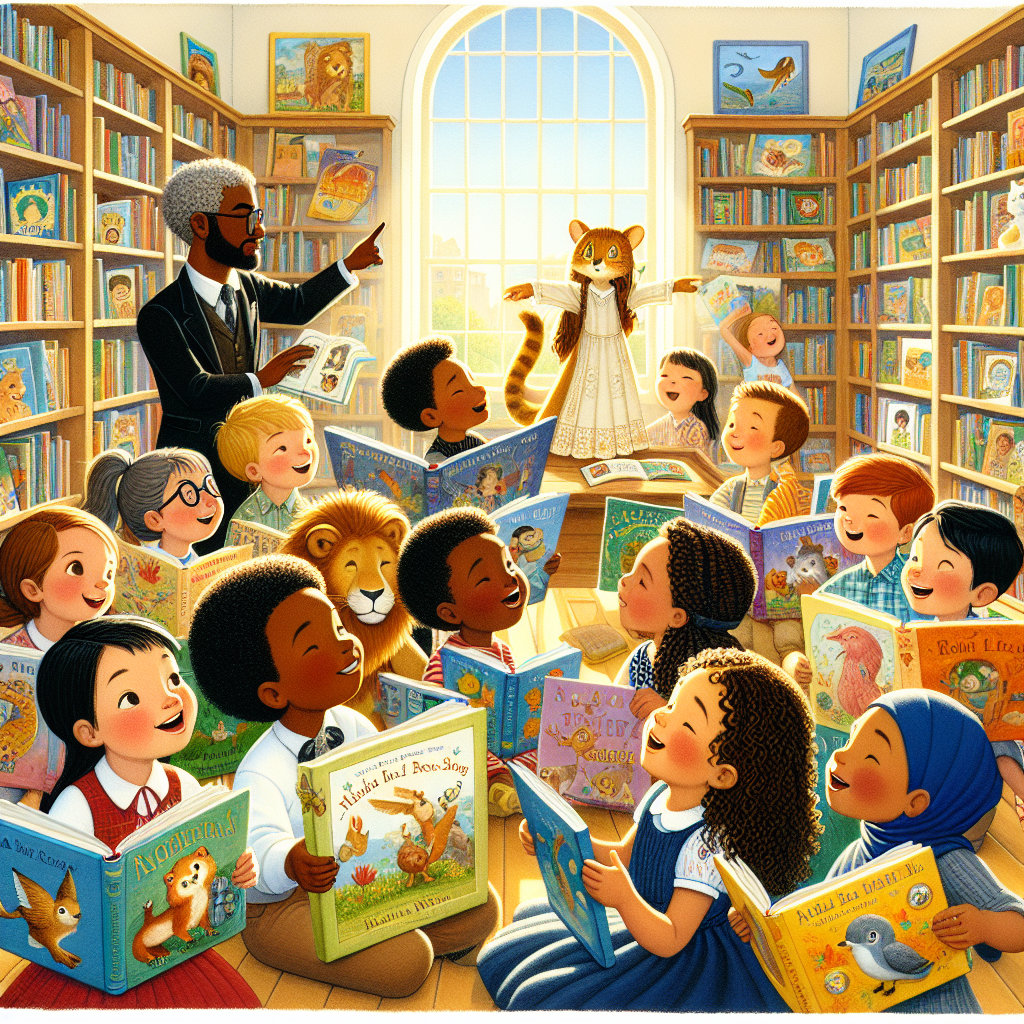
**Children's literature is filled with charming animal characters** that capture young imaginations while supporting important psychological development. A new study led by Dr. Gray Atherton and Dr. Liam Cross from the University of Plymouth, published in the _Journal of Experimental Child Psychology_, delves into how these furry protagonists influence children's theory of mind skills. This skill allows children to read social cues like tone of voice and facial expressions. The study, involving over 100 children aged 5-10, revealed interesting age-related differences in developing these skills when exposed to animal versus human characters. **Younger children scored similarly to older ones when engaging with animal characters**, indicating the unique benefits that these non-human figures can offer. This research highlights the potential to optimize educational methods by integrating literary animal figures, potentially benefiting children with autism and other learning conditions. As the researchers explore further implications, they suggest that **animal characters could play a pivotal role in supporting early childhood development.**