Antarctica's Underwater Curtain Debate: Political Challenges and International Collaboration
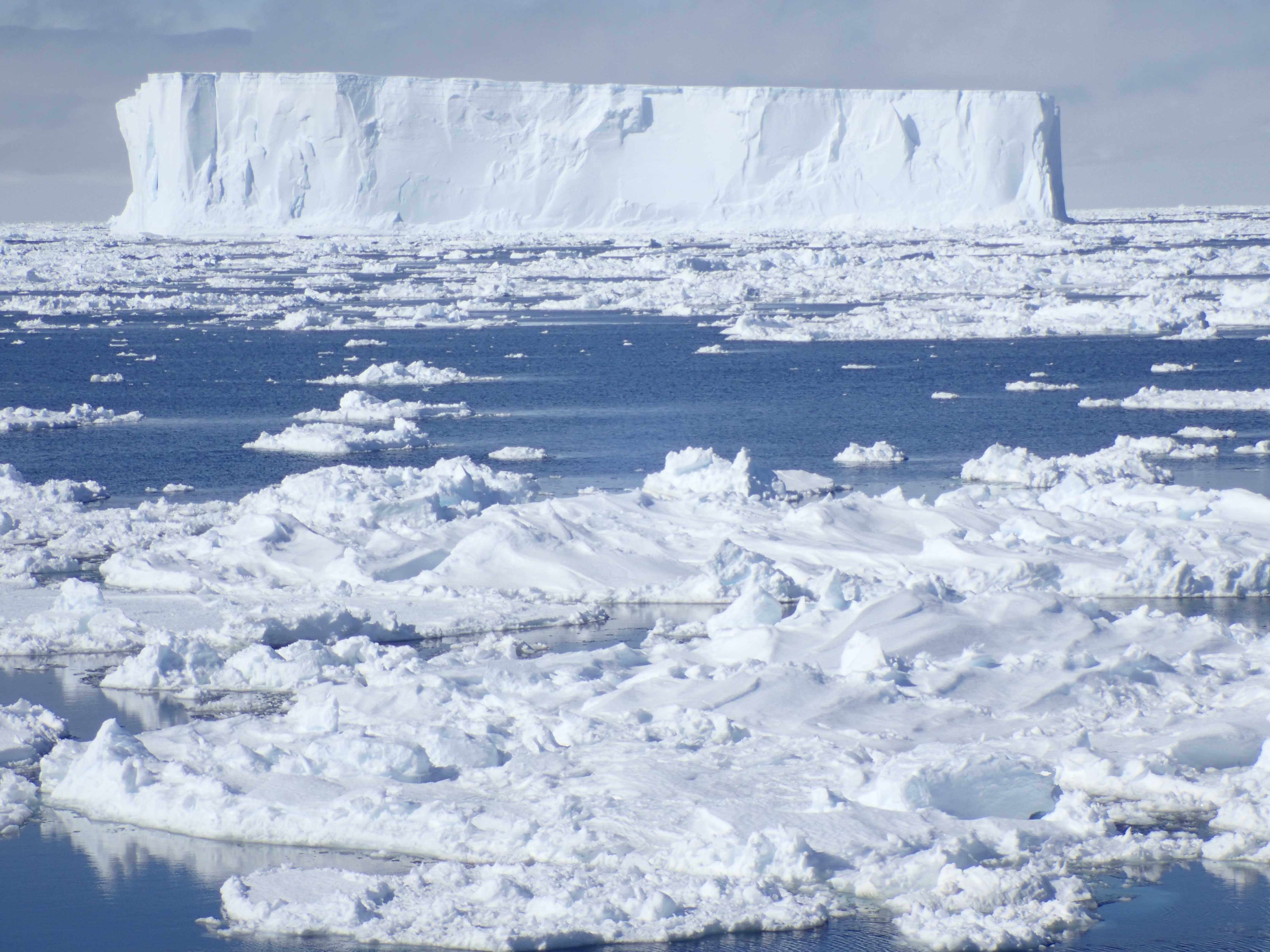
The installation of a massive underwater curtain to protect Antarctic ice sheets has sparked significant scientific and social discussions. Originally proposed by Finnish researchers, this bold idea aims to prevent warm waters from reaching glaciers, potentially averting a 5-meter rise in global sea levels. However, the political aspects of this project have been neglected, as highlighted by Kobe University's SHIBATA Akiho and Patrick Flamm from the Peace Research Institute Frankfurt. Their policy paper in _International Affairs_ explores the political ramifications of such a project, focusing on authority, sovereignty, and security. **Authority** concerns revolve around decision-making power and its impact on Antarctic governance. **Sovereignty** issues consider territorial claims, while **security** addresses safeguarding the curtain as critical infrastructure. The researchers urge a broader discussion that includes these political dimensions, pointing to past diplomatic solutions like the 1991 Protocol on Antarctic mining prohibition as examples. While prohibition isn't the only solution, the paper recommends a deeper examination of the technology's societal benefits versus governance risks, suggesting potential modifications to the Antarctic Treaty System's key principles. This research, funded by the Japan Society for the Promotion of Science, underscores the need for cooperative international efforts to address or adapt to geoengineering challenges.