Aquatic Organisms as Natural Environmental Historians
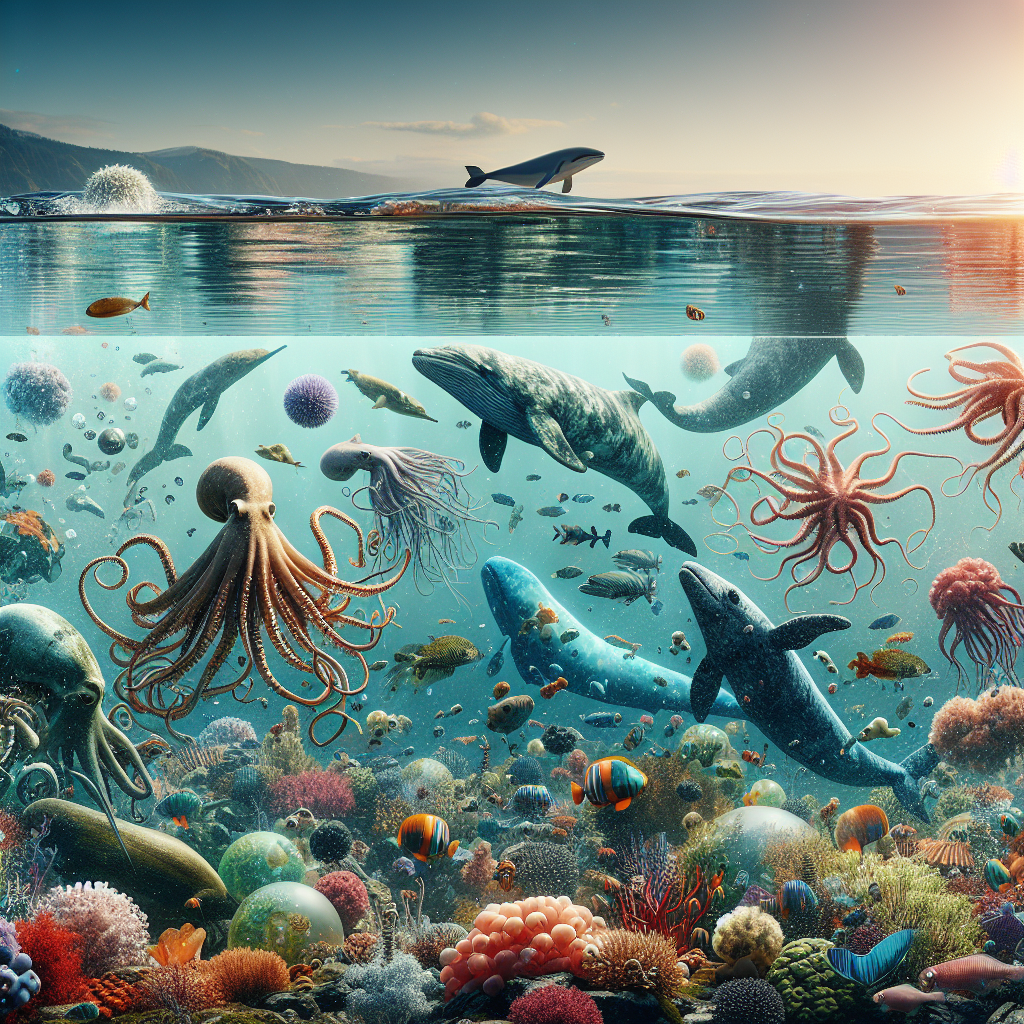
**A groundbreaking international study** led by the University of South Australia (UniSA) highlights the potential of using chemical fingerprints left by aquatic organisms as historical records of environmental conditions. **Dr. Zoe Doubleday**, the lead scientist, worked with a team of researchers from around the world to synthesize existing research on chemical variations in various aquatic species like whales, seals, octopus, and algae. These organisms act as “natural data loggers” through a method called **chemical sclerochronology**, providing historical environmental data that is often unavailable or challenging to collect through traditional methods. The research uncovers that these **underappreciated organisms** can offer insights into past water temperatures, pollution levels, and ecosystem health, thereby potentially predicting environmental changes and aiding conservation strategies. The study highlights the gaps in current research, pointing out the potential of using understudied species and structures as alternative environmental indicators, especially in remote regions sensitive to climate change. By broadening the scope of environmental monitoring beyond traditional methods, scientists can access a plethora of previously overlooked data, which is crucial for tracking environmental dynamics and the impact of human activities. This can lead to more effective management and conservation of ecosystems.