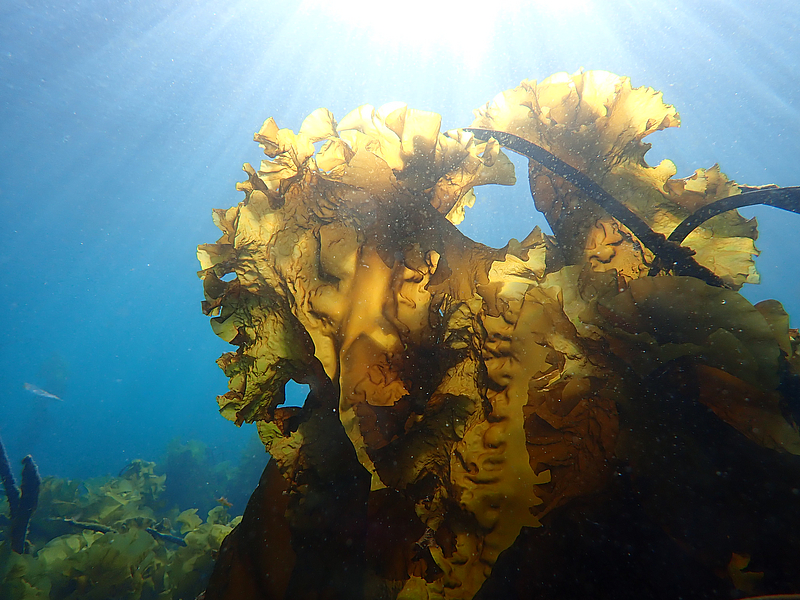
Arctic Glacial Melt Alters Algae Microbiomes and Heavy Metal Levels
**Climate change** is dramatically reshaping the Arctic, with warming rates significantly above the global average, leading to extensive glacial melt. This phenomenon is linked to changes in the microbiome and increased *heavy metal content* in brown algae, known as kelps, which are crucial to Arctic ecosystems. Studies by the EU-projects FACE-IT, ECOTIP, SEA-Quester, and researchers from the University of Bremen and MARUM reveal that kelp, serving as both a habitat and food source, is highly sensitive to these environmental changes. The influx of fresh water reduces salinity, while run-off introduces harmful heavy metals like mercury, showing a 72% increase in contaminated kelp near intense run-off areas. Additionally, these transformations alter the kelp's microbiome, essential for their ecological roles, potentially leading to bioaccumulation of toxic metals across the food chain. This not only threatens marine life growth and reproduction but poses socio-economic risks. Interestingly, kelps offer a potential solution for sustainable phytomining of rare earth metals, crucial for technology. The study warns of cascading effects on ecosystems and calls for careful mariculture management considering these new findings.