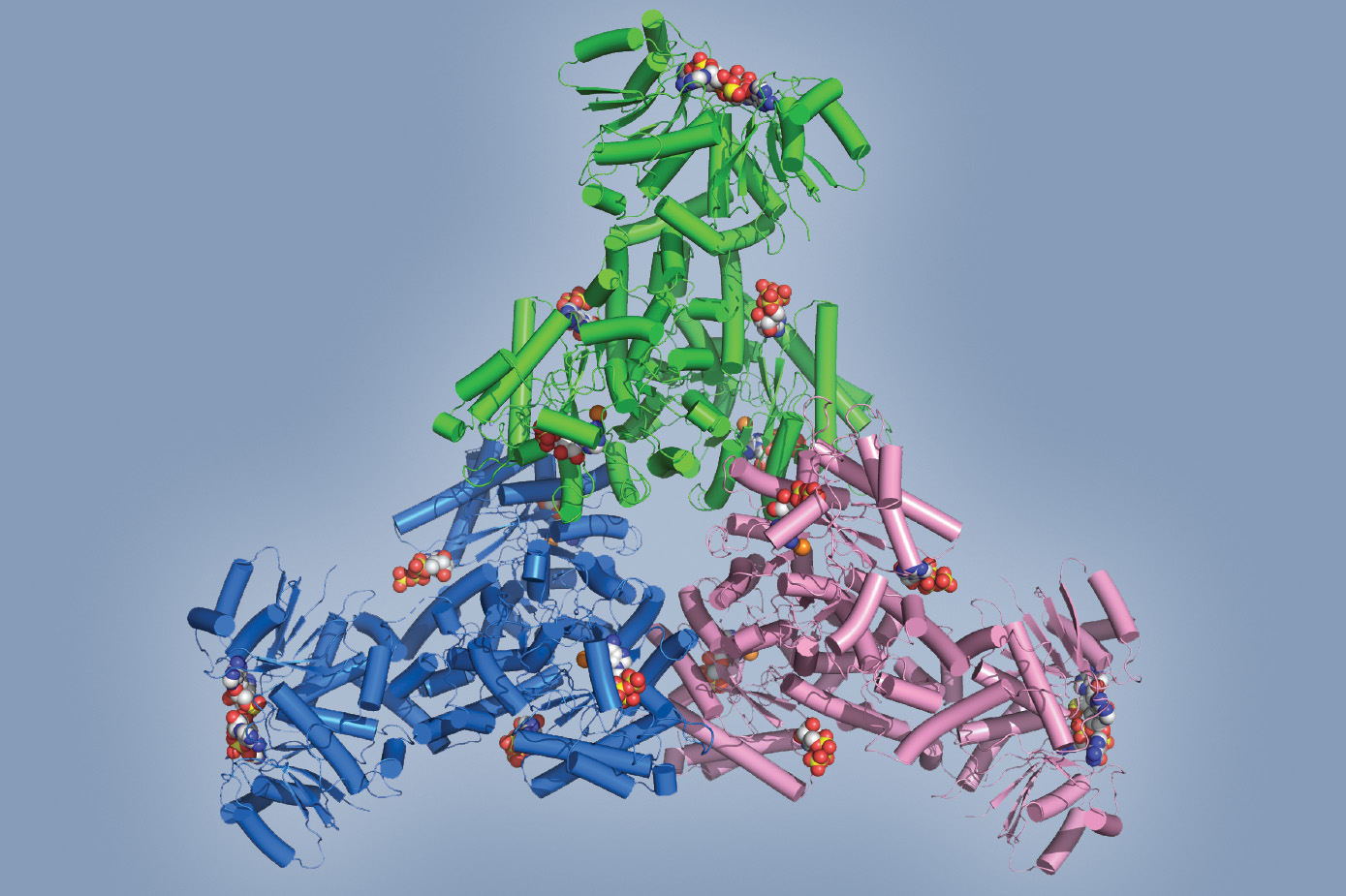
Beyond Genetic Scissors: How CRISPR-Cas10 Acts as a Molecular Fumigator
**CRISPR-Cas10** presents a new paradigm in bacterial immune defense mechanisms beyond the well-known CRISPR-Cas9. While CRISPR-Cas9 is celebrated for its capability to precisely edit DNA, **CRISPR-Cas10** adds complexity by also acting as a molecular fumigator. This newly discovered mechanism was uncovered by collaborations between researchers at Rockefeller's Laboratory of Bacteriology and MSKCC's Structural Biology Laboratory. They found that CRISPR-Cas10, part of the type III CRISPR systems, not only uses guide RNAs and enzymes to snip viral DNA but also floods infected cells with toxic molecules, preventing viral spread. This innovative approach is achieved through the CRISPR-associated adenosine deaminase 1 (Cad1) protein, which upon binding cOAs, converts ATP into ITP—a molecule toxic in high concentrations—thereby halting cellular functions and protecting the overall bacterial colony. This sacrificial strategy is crucial when a virus-infected cell becomes isolated, yet it seems analogously elegant to mammalian immune strategies such as cGAS-STING. The future implications of this discovery could extend to diagnostic tools, using elevated ITP levels as indicators of viral presence in samples.