Brain Scans Reveal How Urban Design Influences Human Behavior
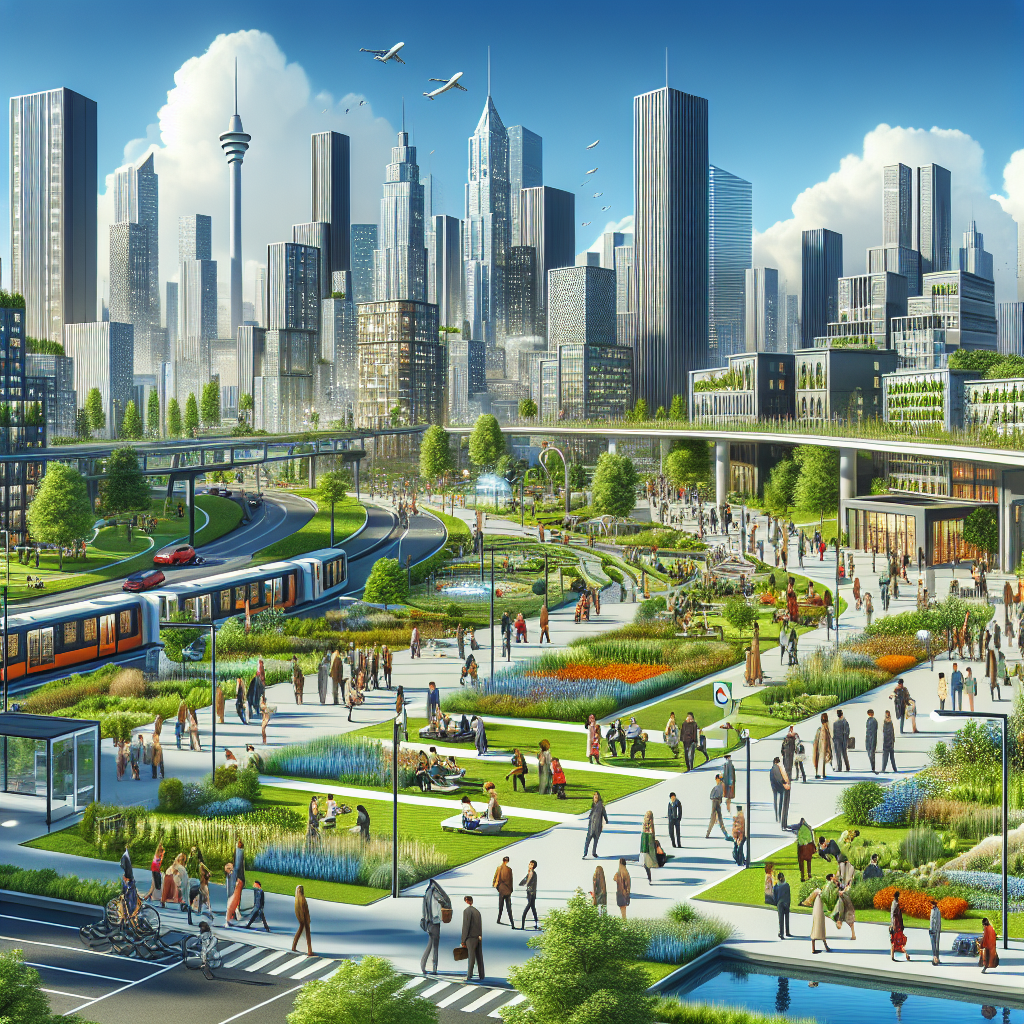
Urbanization is on the rise, with more people living in cities than ever before. Researchers from Michigan State University, led by Dar Meshi, have explored how our brain activity can inform urban planning through a study published in *Nature Cities*. The central concept is "neurourbanism," which examines how urban environments influence human behavior via brain activity. The team focused on the brain's reward system, particularly the ventromedial prefrontal cortex (vmPFC), which plays a role in decision-making and value judgments. By employing functional magnetic resonance imaging (fMRI), the researchers detected changes in participants' brain activity while viewing urban scenes from Lisbon, Portugal. The images were sourced from geotagged photos on Flickr, and the density of these photos served as a proxy for visitation patterns. The study's findings suggest that brain activity, especially in the vmPFC, predicts people's interest in different urban environments. Areas that induce more value-related brain activity are more likely to attract visitors. This discovery highlights the potential of using neurourbanism to create human-centric cities tailored to how our brains perceive and interact with the environment. Ultimately, the research indicates that integrating these insights into urban planning could lead to cities that better support the health and happiness of their inhabitants, emphasizing the well-being of individuals in urban design.