Climate Change Threatens Florida Scrub-Jay's Survival
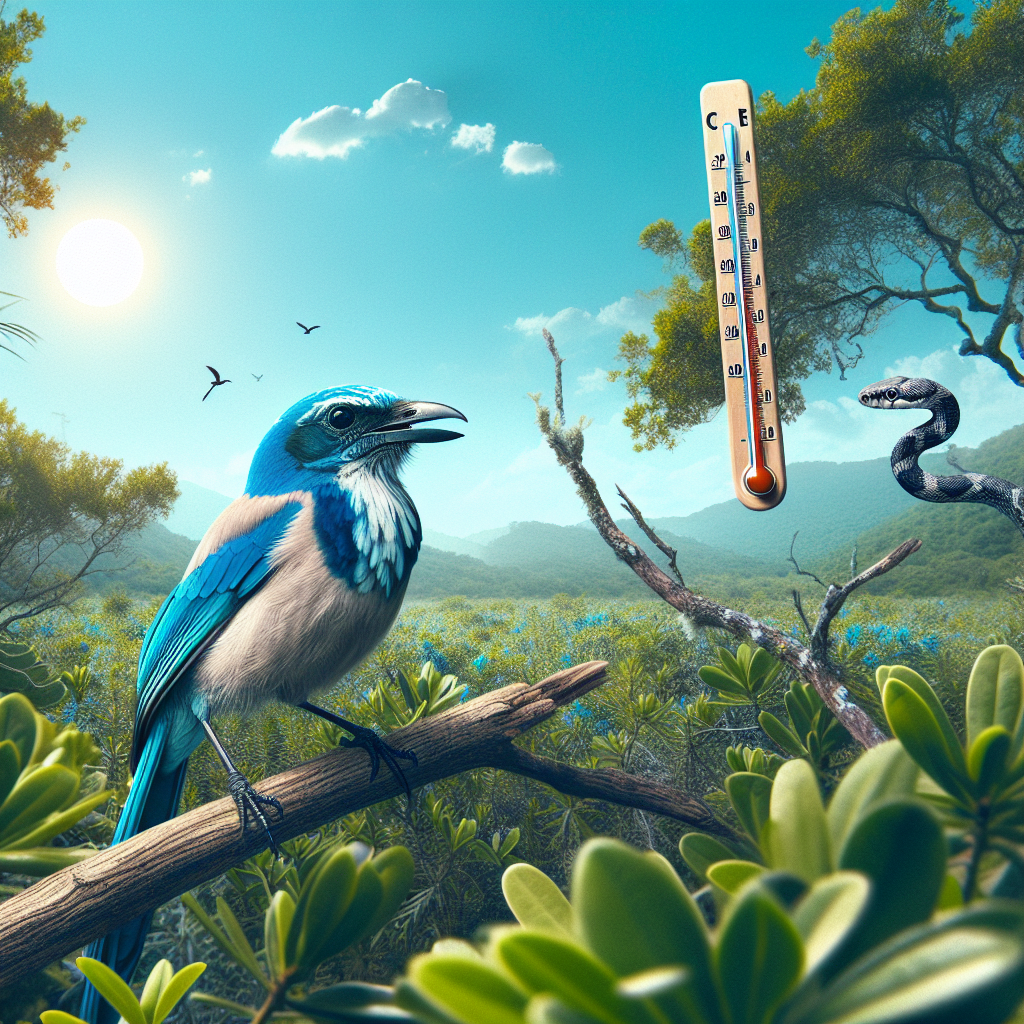
**Florida scrub-jays**, a federally threatened species, are nesting a week earlier now because **winters are warmer** than in 1981. However, this change has led to a staggering **25% reduction in offspring** since that time. The underlying issue, as hypothesized by scientists from the **Archbold Biological Station** and the **Cornell Lab of Ornithology**, is that warmer temperatures extend the period during which snake predation can occur. The study, based on 37 years of data, highlights that the **average winter temperature** at Archbold has risen by **2.5°F** since 1981, increasing snake activity, which poses a predation threat to jay nests. Despite their efforts to lay more eggs and build more nests each season, Florida scrub-jays see **no increase in young produced**. This increased reproductive effort also leads to reduced longevity for the adult jays. The findings suggest climate change is a significant threat even in protected areas like Archbold, potentially undermining decades of conservation efforts. Climate change remains an uncontrollable factor, and the current stable jay population could decline in the next decade.