Combining Yeast and Algae for Efficient Wastewater Treatment: A Breakthrough from Osaka
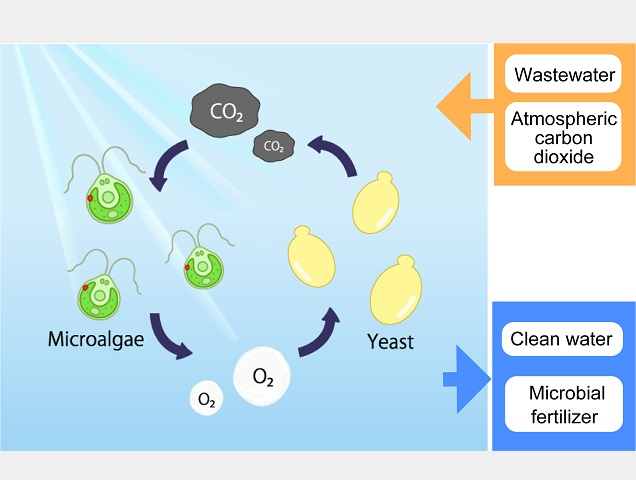
**Osaka Metropolitan University** researchers have made a groundbreaking discovery in the field of wastewater treatment by combining two seemingly unrelated microorganisms: *yeast* and *green algae*. Traditionally dependent on electricity to maintain oxygen flow, the active sludge method of treating wastewater is now seeing a greener shift. This shift is facilitated by algae's ability to perform photosynthesis, producing oxygen naturally. However, algae's growth can be hampered by low carbon dioxide levels. Here's where the yeast *Saccharomyces cerevisiae* plays its part by generating carbon dioxide, which is essential for algae's optimal performance. **Associate Professor Ryosuke Yamada** of the Graduate School of Engineering team identified that the collaboration between the green algae *Chlamydomonas reinhardtii* and yeast is the most efficient. This pairing enhances the algae's ability to absorb key nutrients like ammonium and phosphate ions, crucial for wastewater treatment. Moreover, these microorganisms are deemed safe for human exposure, which is beneficial as treated wastewater reenters natural environments. But the benefits don't stop there - they also have the capability to accumulate valuable compounds like polysaccharides, fats, and oils, opening up possibilities for microbial fertilizers. This innovative approach not only optimizes water treatment but also utilizes microorganisms to produce useful byproducts, marking a significant step towards sustainable industrial practices.