Could Brain Biomarkers Revolutionize Psychosis Diagnosis?
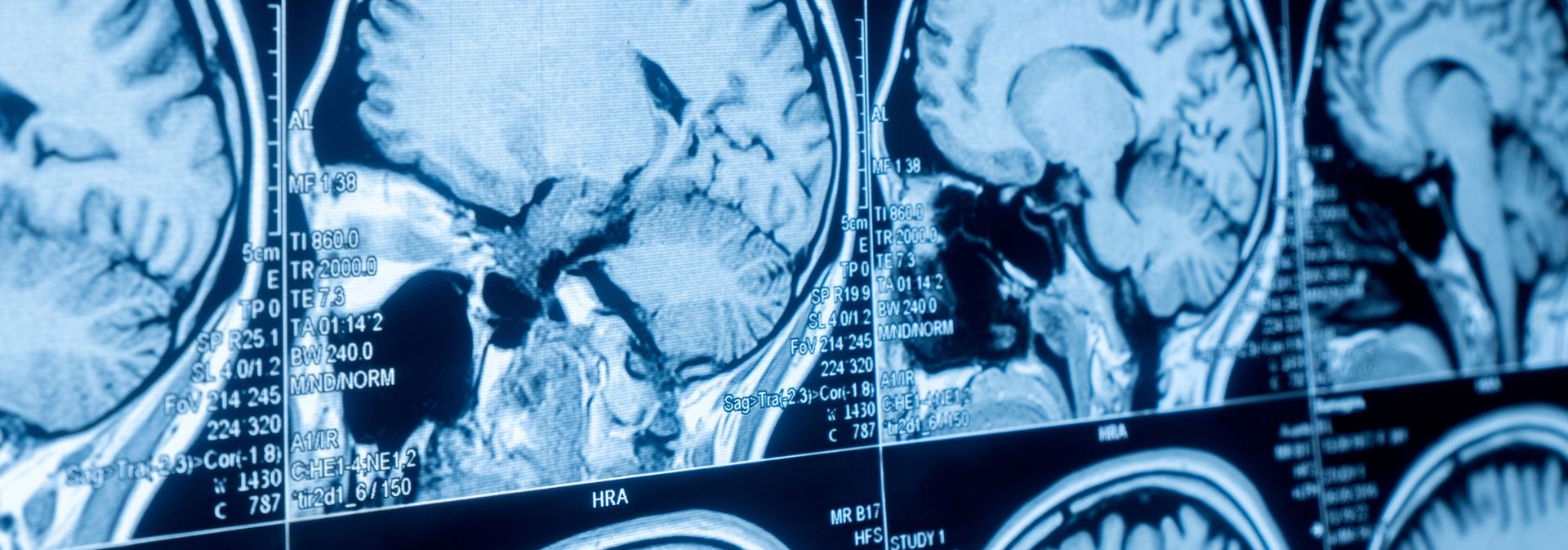
**Researchers at the Del Monte Institute for Neuroscience at the University of Rochester have identified a potential biomarker in the brain that may allow for the early diagnosis of psychosis, even before symptoms emerge.** In a recent study published in Molecular Psychiatry, they used MRI scans from the Human Connectome Early Psychosis Project, examining 159 participants, including 105 who developed a psychotic disorder up to five years prior to testing. **They discovered that in individuals with psychosis, sensory regions in the cortex were weakly connected to one another and strongly connected to the thalamus, the brain's information relay station.** These differences were observed in the somatomotor and visual networks, which are responsible for processing bodily movements and visual representations. **The resulting 'somato-visual' biomarker showed promise for predicting the transition to psychosis with a single five-minute scan.** Assistant Professor Brian Keane, lead author of the study, emphasized the biomarker's robustness and potential to bypass common confounds such as antipsychotic use and stress. The study calls for further exploration of whether the biomarker could be detected before or at the onset of psychosis, potentially paving the way for more individualized treatments. The work was supported by grants from the University of Rochester, with contributions from researchers at Yale University and Rutgers University.