Deep Ocean Discoveries: Unraveling Climate Mysteries of the Ice Ages
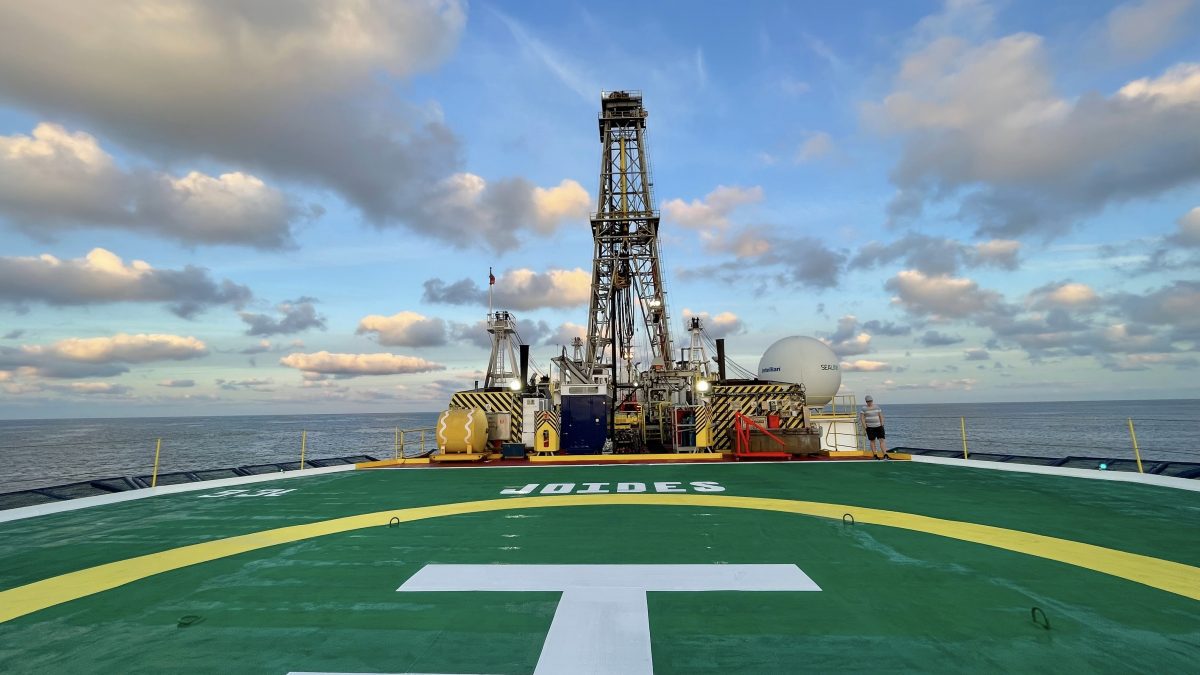
A recent study published in *Science* by researchers from Woods Hole Oceanographic Institution and other leading institutions offers new insights into the Mid-Pleistocene Transition, a critical period of climatic change around one million years ago. Previous theories mainly focused on the Atlantic Meridional Overturning Circulation (AMOC), but this study highlights the significant yet complex role of the deep ocean. By analyzing climate records over the last 1.2 million years and examining sediment core samples from the International Ocean Discovery Program, scientists reconstructed deep ocean properties crucial for understanding ocean circulation and carbon sequestration. **Dr. Sophie Hines** from WHOI and **Dr. Sidney Hemming** from the Lamont-Doherty Earth Observatory emphasize the changes in ocean dynamics, particularly around Antarctica, as critical factors in ice age intensification. The expansion of the Antarctic Ice Sheet is suggested to have increased oceanic carbon storage, leading to reduced atmospheric CO2, colder temperatures, and prolonged ice ages. This research underscores the Southern Ocean's role in shaping climate, with significant implications for understanding present-day climate change, especially as the Southern Ocean warms rapidly.