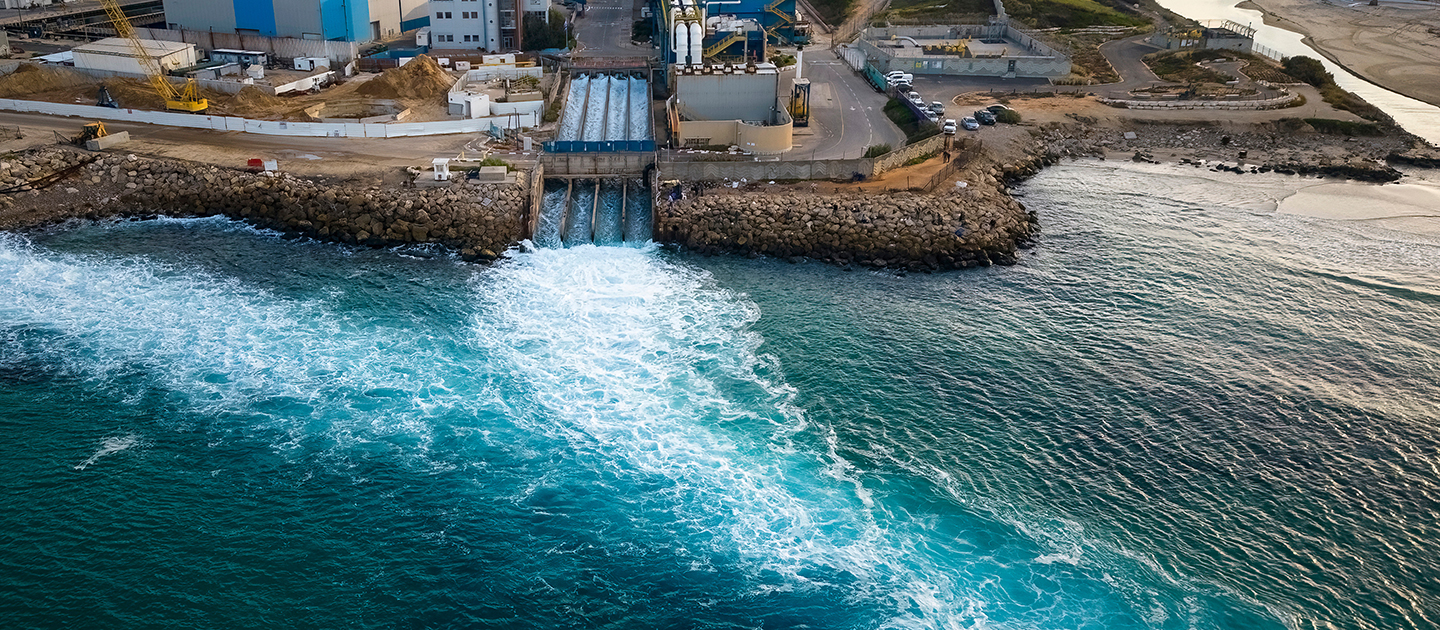
Desalination and Zero Liquid Discharge: Navigating the Trade-offs for a Water-Scarce Future
**Desalination Technology and Zero Liquid Discharge (ZLD):** As climate change exacerbates global water scarcity, researchers spotlight desalination technology for its potential to provide fresh water by purifying seawater. However, conventional desalination comes with challenges like energy consumption, environmental impacts, and high costs, especially in low-income regions. Enter Zero Liquid Discharge (ZLD) technology, which aims to enhance desalination by increasing water recovery from the remaining brine. **ZLD's Merits and Trade-offs:** Jennifer Dunn from Northwestern Engineering leads an insightful exploration into ZLD's capacity to bolster desalination's efficiency. Using an innovative optimization model, Dunn's study identifies ZLD as a promising solution but also highlights its significant trade-offs. Specifically, ZLD demands high energy, complicating its adoption because energy and water production are interdependent. Moreover, energy sources can intensify environmental impacts; fossil-fueled energy for desalination amplifies its carbon footprint, while renewable options remain limited by infrastructure and location. **Environmental Challenges of Brine Disposal:** Another hurdle is the disposal of desalination brine. Typically discharged back into oceans, untreated brine poses potential risks to marine ecosystems due to its high salinity. As desalination becomes more prevalent, the ecological consequences require close monitoring. **Economic and Strategic Considerations:** Dunn’s analysis underscores the economic burdens of desalination, particularly in regions with limited financial resources. The infrastructure and operational costs can be prohibitive, underscoring the necessity for subsidies or alternative funding mechanisms. Dunn argues that desalination must be integrated into a comprehensive water strategy that includes recycling, rainwater collection, and conservation efforts. This holistic approach can better address water scarcity challenges tailored to local conditions. **Conclusion:** While ZLD-enhanced desalination holds promise, it cannot be the sole solution to water scarcity. A balanced, multi-faceted approach that evaluates the trade-offs and regional needs can pave the way for sustainable water management.