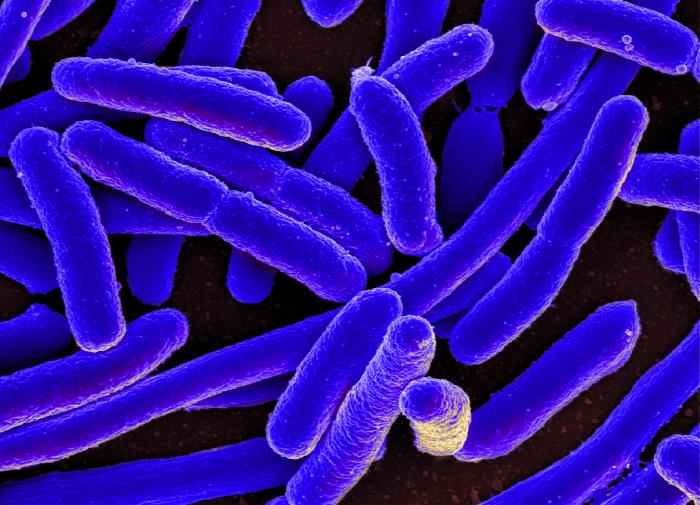
E. coli's New Antibiotic Resistance Strategy: Ribosome Modification
**E. coli**, a common bacterium, has been found to modify its ribosomes in response to antibiotics such as streptomycin and kasugamycin, as detailed in a recent study published in _Nature Communications_. These subtle ribosomal changes involve the loss of certain chemical tags, crucial where antibiotics generally bind, thereby reducing the drugs' effectiveness. This discovery suggests a new mechanism of antibiotic resistance, as previously E. coli was known to resist antibiotics through DNA mutations or by actively exporting the drugs from the cell. The study's breakthrough was achieved using **advanced nanopore sequencing technology**, which allows scientists to observe RNA modifications within their natural contexts, a feat previous techniques couldn't manage. The research prompts further exploration into the biological processes behind these adaptive modifications, aiming to innovate strategies to tackle antibiotic resistance—a significant threat predicted to claim millions of lives in the coming decades.