Evolutionary Puzzle: The Colorful World of Animal and Plant Communication
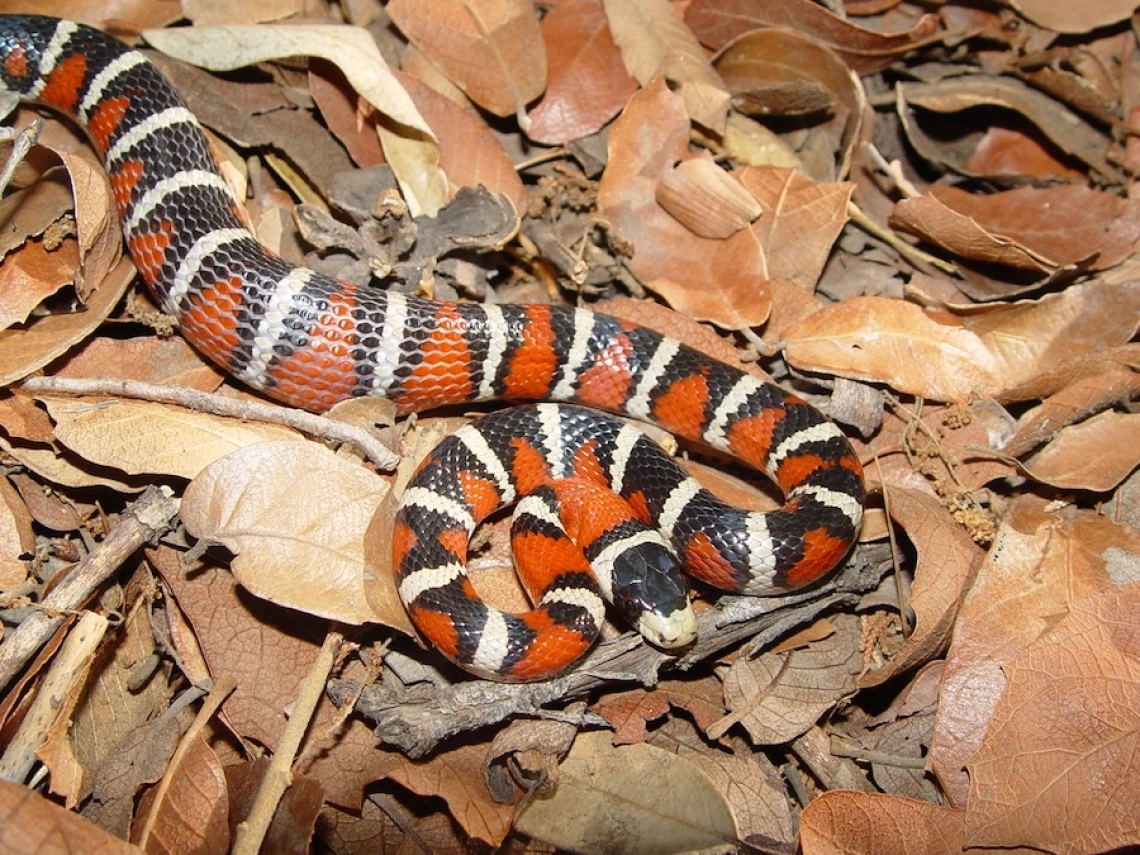
**The study by University of Arizona researchers delves into the evolutionary development of color vision in animals and its multifaceted roles in communication across species and kingdoms.** The analysis highlights two primary animal color signals: warning signals, which developed approximately 150 million years ago, and sexual signals that appeared around 100 million years ago. Interestingly, color vision itself dates back to approximately 500 million years ago, preceding the rise of colorful fruits and flowers by 100 million years. **This chronicle distinguishes the evolution of these signals and poses questions about the sudden diversification of color signals in recent history.** It emphasizes the predominance of warning color signals across vast animal groups, compared to the more restricted distribution of sexual color signals. In plants, conspicuous colors aid in seed dispersion and pollen distribution, serving critical ecological roles. The research also identifies ray-finned fishes, birds, and lizards as key contributors to the proliferation of warning signals. **The findings ignite curiosity about the drivers behind color perception of specific colors like red or blue in various species.**