Exploring the Link Between Lung Function and Cognitive Impairments in Long COVID
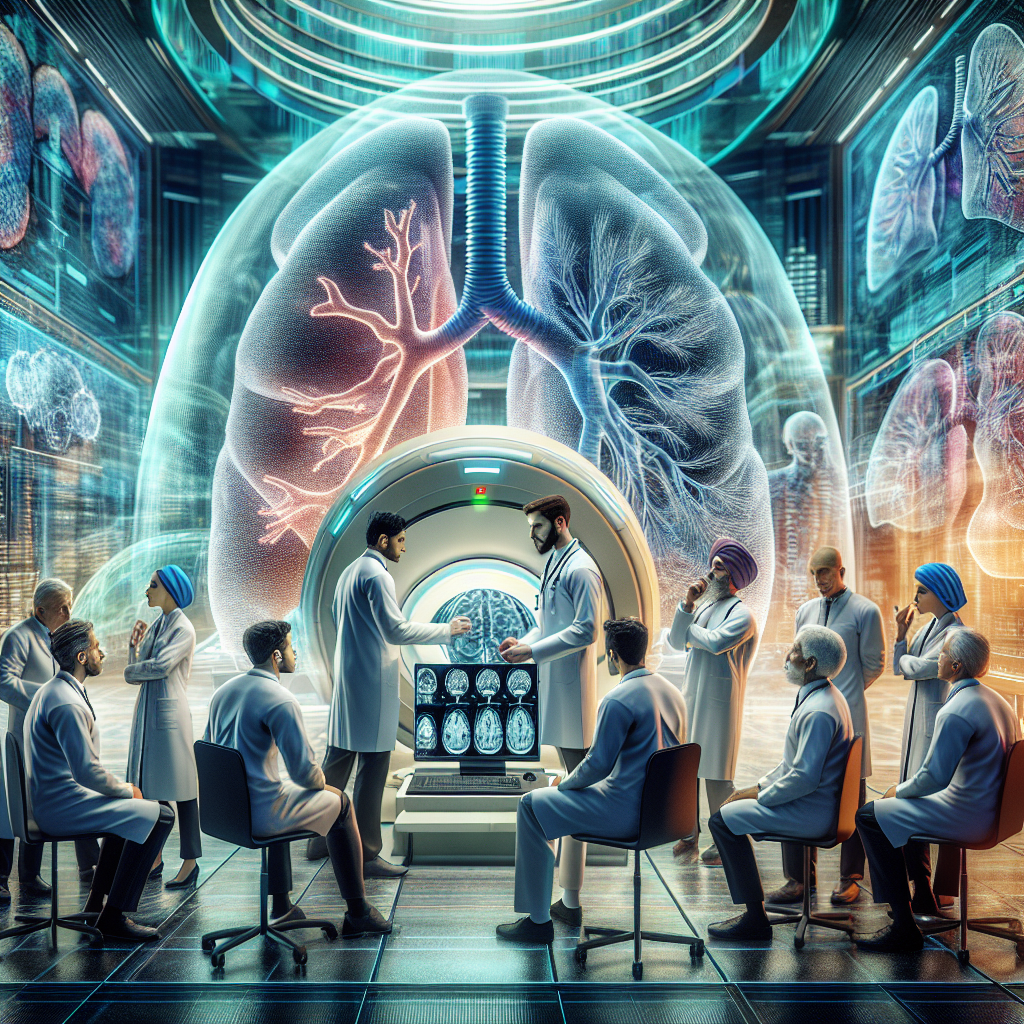
**A recent study presented at the Radiological Society of North America annual meeting** has uncovered a potential link between **lower pulmonary gas exchange and cognitive dysfunction in long COVID patients**. Conducted by researchers from the University of Iowa, the study is groundbreaking as it is the first to use **MRI to jointly assess lung and brain functions**. It involved 12 patients, mainly female, who had persistent symptoms such as dyspnea and fatigue following COVID-19 infection. The team employed **hyperpolarized Xe pulmonary MRI**, which offers a more sensitive measure of pulmonary injury than standard tests. Cognitive difficulties were assessed using the Patient-Reported Outcomes Measurement Information System and NIH Toolbox V3 Cognition Battery. **Findings revealed a potential association between lower pulmonary gas exchange and cognitive issues**, including lower gray and white matter volumes. Additionally, increased cerebral blood flow was observed in relation to decreased gas exchange, hinting at a possible compensatory mechanism. These insights suggest a **causative relationship between lung dysfunction and cognitive impairment**, paving the way for potential treatment strategies targeting improved pulmonary gas exchange. **Further large-scale studies are needed** to confirm these observations and explore the therapeutic implications.