Fungal Discovery in Mice Sheds Light on Gut Immunity and Evolution
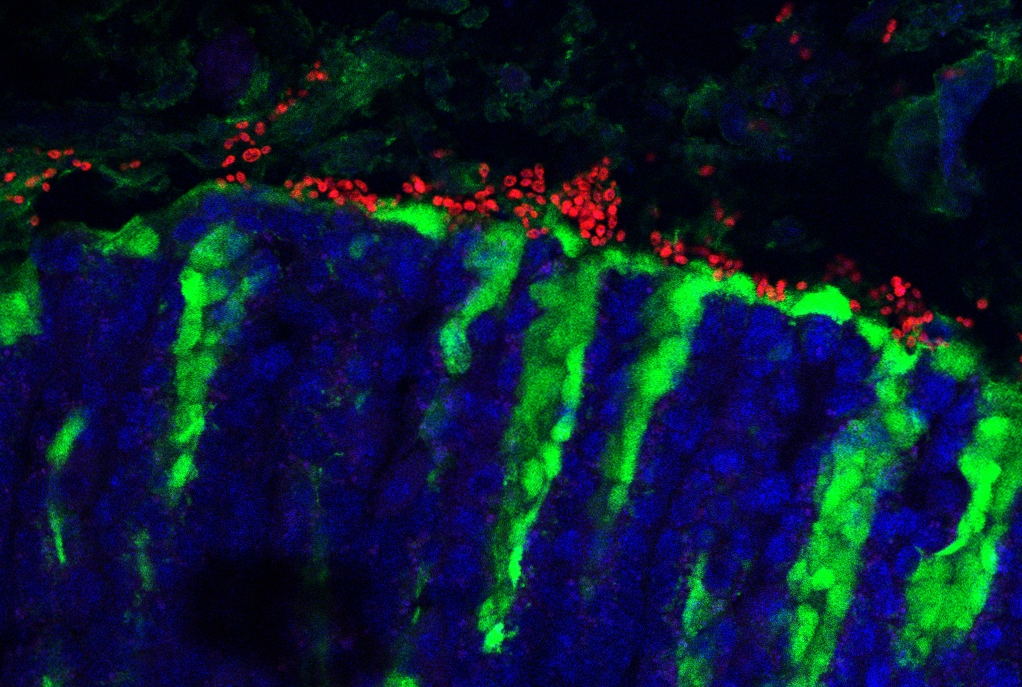
**Researchers from Weill Cornell Medicine have uncovered a significant finding in the gastrointestinal tract of mice: a yeast called Kazachstania pintolopesii.** This discovery is pivotal because up until now, the focus has been primarily on bacterial commensals in understanding gut microbiota's influence on health. Unlike the transient fungal populations observed in lab mice colonies, K. pintolopesii is deeply integrated into wild mice and benefits the host by enhancing immune defenses against parasites. However, it also increases vulnerability to certain allergies. This duality underscores the need for researchers to consider this fungus in preclinical trials. The discovery was part of a broader investigation that found that mice raised with wild-type gut microbiota provide better human immune response models. The researchers traced the fungus's presence in both wild and lab mice populations, highlighting its evolutionary adaptation to the mouse host. This study calls for a reassessment of fungal commensals in lab settings, particularly when considering experiments involving immune responses. Future research is aimed at uncovering whether there is a human equivalent that influences similar immune pathways.