Harnessing Apoptosis: A New Hope in Cancer Therapy
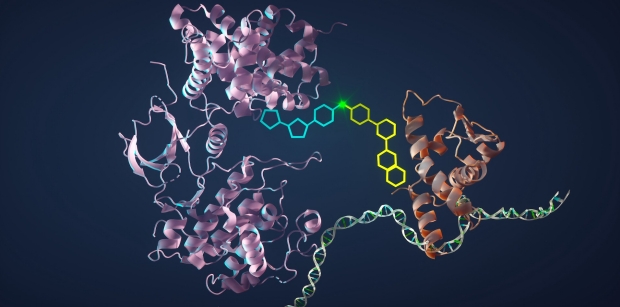
In an innovative approach to cancer treatment, **Stanford Medicine researchers** are exploring the potential of harnessing _apoptosis_, a natural process of programmed cell death, to target cancer cells. **Every day, our bodies utilize apoptosis to replace approximately 60 billion cells, primarily blood and gut cells, with new ones.** This essential biological process ensures the removal of damaged or unnecessary cells, playing a critical role in organ development and immune system calibration. **Gerald Crabtree, MD, professor of development biology**, drew inspiration from the biological milestone of apoptosis during a contemplative walk through Kings Mountain. Realizing its potential for cancer therapy, he envisioned a method to force cancer cells into self-destruction, mirroring the body's natural cell culling precision that affects billions of cells daily without harming healthy ones. The Stanford team developed a compound that artificially assembles two proteins, triggering a chain of events that activate death genes within tumor cells. This breakthrough, detailed in a recent issue of _Science_, demonstrates a promising strategy to combat cancer with high specificity, potentially revolutionizing how we approach cancer therapies by minimizing damage to healthy tissues.