How Bats Navigate in Silence: Discovering Their Plan B Strategy
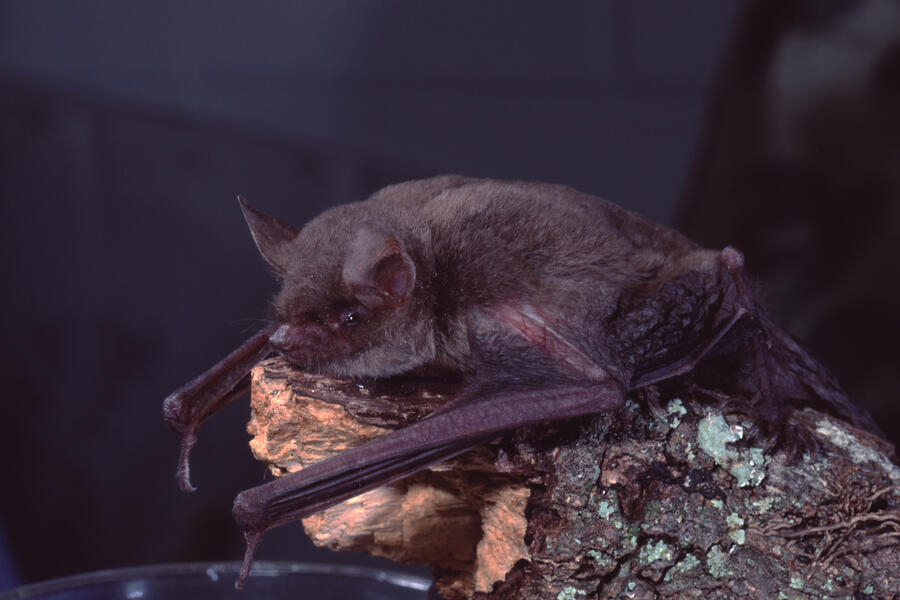
**Johns Hopkins University** has unveiled groundbreaking insights into bats' adaptive behaviors when faced with hearing impairment. In studies published in *Current Biology*, researchers discovered that echolocating bats possess an innate ability to switch to a backup strategy when their primary auditory regions are disabled. This ability was tested by temporarily blocking a crucial auditory pathway in the bats' midbrain. Despite this, bats were able to navigate their environment effectively, though less gracefully. Their compensatory behaviors involved altering their flight paths, flying closer to walls, and modifying their vocalizations to enhance echo reception. **Cynthia F. Moss**, the study's senior author, highlighted the rapid and automatic nature of these adaptations, suggesting a hard-wired mechanism at play. The findings challenge previous assumptions, showing that bats maintain some hearing abilities through potentially unknown auditory pathways. Researchers are now considering the implications of these findings for other animals and humans, posing questions about the existence of similar adaptive brain circuits across species. The study encourages future research into auditory processing and adaptability, offering a foundation for exploring brain resilience to sensory deprivation.