How Plants Enhance Repair Mechanisms to Survive Cold Climates
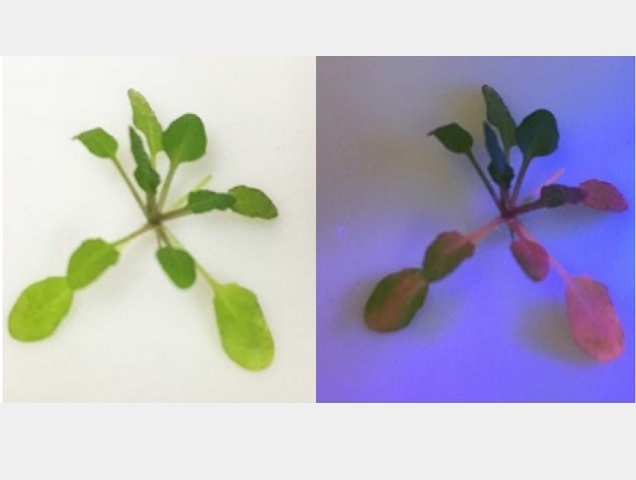
**Plants rely on light for growth, but excessive light can damage the photosystem II complex, crucial for photosynthesis.** This damage, called photoinhibition, is typically repaired, yet the rate of this repair declines in colder conditions. Researchers from Osaka Metropolitan University, led by Associate Professor Riichi Oguchi, sought to uncover how plants endure such environments. They used Arabidopsis thaliana, a model organism, to assess how different ecotypes adapt to cold. Initially, plants were grown at 22°C, before being divided into control and cold-acclimated groups, the latter exposed to 12°C, then 5°C. The study revealed that *cold-acclimated plants enhanced their photoinhibition repair rate* at 5°C compared to controls. Notably, ecotypes from colder climates exhibited a greater increase. **This suggests an evolutionary adaptation, boosting survival in cold regions, although it's less optimized in warmer conditions due to high metabolic costs.**