Humans Show Empathy Toward Excluded AI Bots in Playtime Study
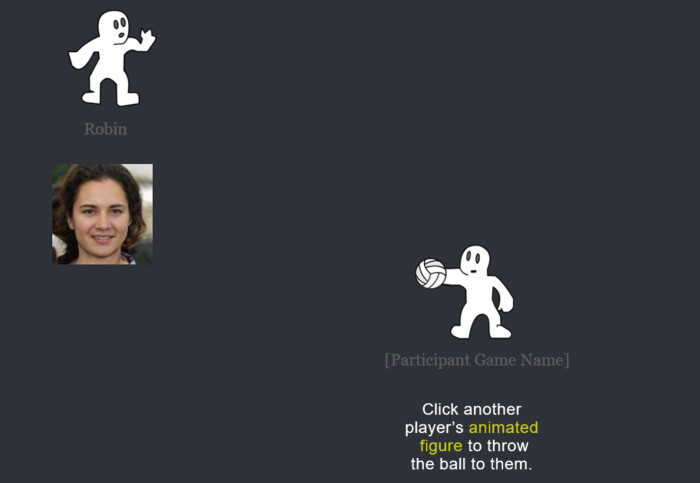
A recent study conducted by researchers from Imperial College London explored how humans interact with AI virtual agents, using a virtual ball game called 'Cyberball.' The study revealed that humans tend to empathize with AI, treating them as social beings, particularly when they are excluded, similar to human-to-human interactions. The 244 participants, aged between 18 and 62, were observed for their reactions after an AI bot was unfairly excluded by another human player. Most participants attempted to correct this exclusion by favoring the AI in subsequent throws. **Older participants showed a stronger tendency to perceive and rectify unfairness.** The findings highlight humans' inclination to include AI in social contexts, suggesting this could enhance collaboration in work settings. However, there are concerns about the potential of AI replacing human relationships or providing advice on sensitive matters. The researchers recommend designing AI agents that are not overly human-like to maintain a clear distinction between virtual and real interactions. They also emphasize tailoring AI designs to different age groups, considering varying perceptions. While the study offers valuable insights, the researchers acknowledge Cyberball may not perfectly mimic real-life interactions, which usually involve language exchanges. Hence, they plan to conduct further experiments using face-to-face conversations in different contexts to validate and extend their findings.