Innovative Polymers Could Transform Water Harvesting and Air Conditioning
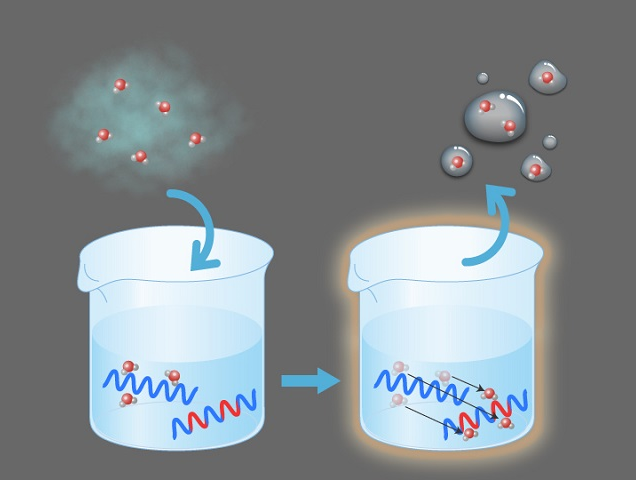
**Researchers at Osaka Metropolitan University** have made a significant breakthrough in atmospheric water harvesting and desiccant air conditioning by developing a new type of liquid moisture adsorbent. Typically, water-adsorption polymers require a high temperature of around 100°C to desorb water, limiting their reusability and efficiency. However, the team led by *Graduate School of Engineering student Daisuke Ikegawa* and professors Arisa Fukatsu, Kenji Okada, and Masahide Takahashi has created a new adsorbent that functions efficiently at merely 35°C. This advancement is due to the innovative use of **random copolymers** of polyethylene glycol and polypropylene glycol. These copolymers differ slightly in their affinity for water, facilitating the breakdown of water clusters and subsequently easier water release. This technology is poised to impact various critical areas, including water supply in resource-limited and arid regions as well as emergency situations. Moreover, as highlighted by Professor Takahashi, this innovation could contribute to reducing greenhouse gas emissions and enhancing water resource management. The team plans to further refine their liquid moisture adsorbent to boost its efficiency and practical applicability.