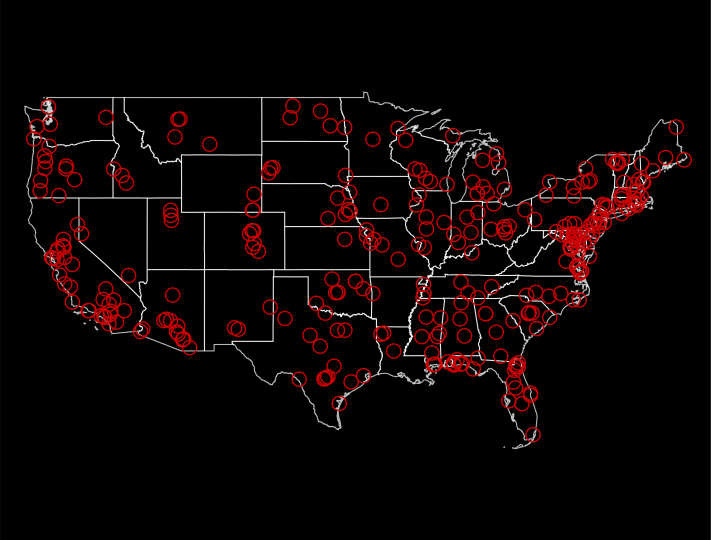
Invisible Contaminants: PFAS in Fish Far from Known Sources
**PFAS** or *'forever chemicals'* present significant environmental challenges due to their persistent nature and widespread use in products for their stain, water, and non-stick properties. A recent study by Harvard SEAS highlights the alarming accumulation of these chemicals in fish, even in regions far from direct sources of contamination. Researchers, led by Elsie Sunderland, emphasize the need for expanded monitoring in affected watersheds, particularly near military bases where PFAS-laden foams have been used. Despite some decline, the study found high PFAS levels in fish tissues up to 8 km from the source, often exceeding state consumption guidelines for PFOS. This suggests potential public health risks for communities relying on these waters for food. The research, published in *Environmental Science & Technology*, underscores the inadequacy of current monitoring practices, which focus on only a handful of PFAS compounds. Notably, PFAS are found in over 98% of Americans, yet federal guidelines for these chemicals in food remain absent. The study calls for a wider scope in monitoring programs and fish consumption advisories to protect public health.