Kyushu University Uses Plants and Fungi to Innovate 3D Microfluidic Networks
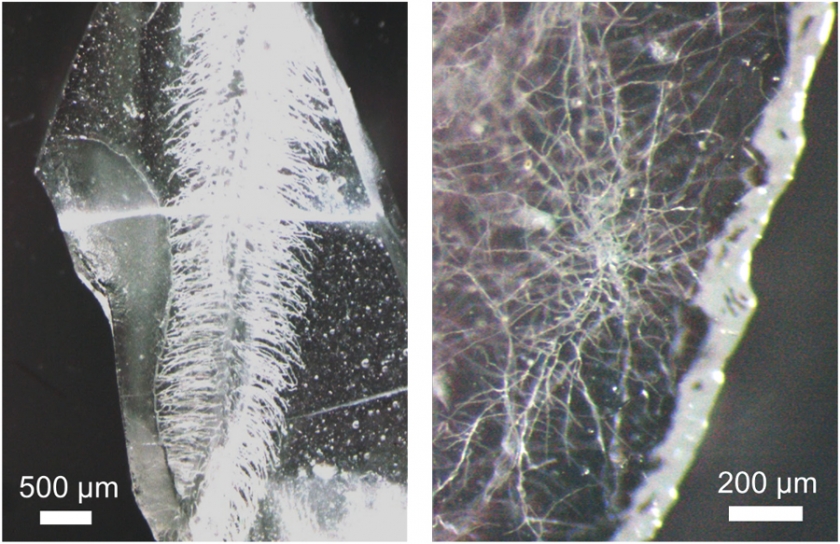
**Microfluidic technology** has become crucial across various scientific disciplines but faces challenges in creating intricate 3D networks. Researchers at Kyushu University have devised a novel technique utilizing plants and fungi to overcome these limitations. They developed a unique 'soil' mixture using **nanoparticles of glass** and a cellulose binding agent, allowing plant roots to grow and establish intricate networks. Post growth, the plants are removed, leaving a 3D microfluidic network of hollow channels where the roots once were. This method paves the way for detailed studies of complex 3D biological structures and could revolutionize microreactor design, heat exchangers, and tissue engineering scaffolds. The research, led by Professor **Fujio Tsumori**, aims to mimic nature’s microfluidic prowess found in plant roots and fungal hyphae, potentially transforming scientific inquiry and application.