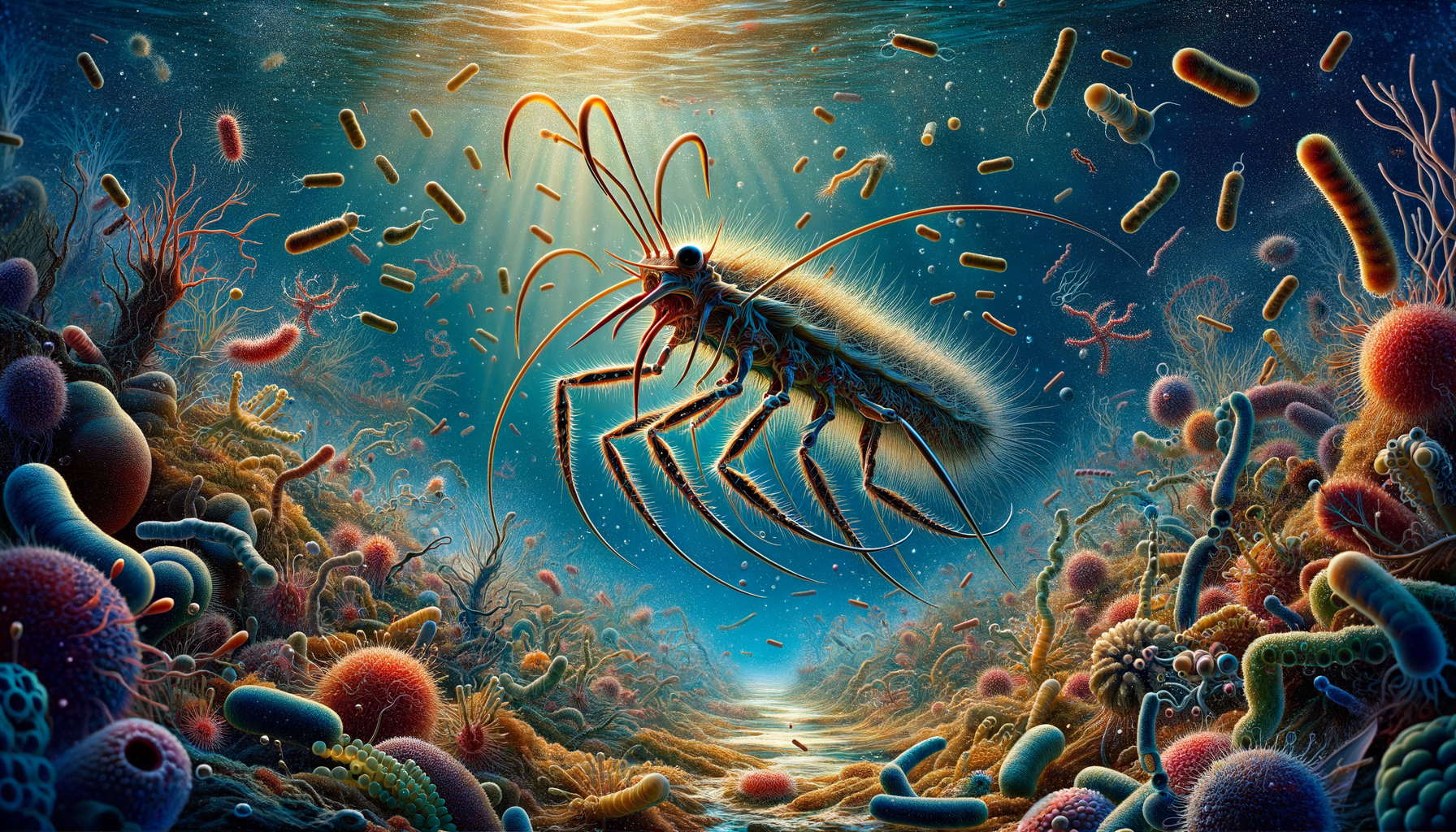
Marine Bacteria's Predatory Secrets Unveiled: A Glimpse into Future Medical Applications
**ETH Zurich researchers** have revealed the fascinating predatory mechanisms of the marine bacterium *Aureispira*. In nutrient-scarce marine environments, these bacteria have evolved unique hunting tools, such as grappling hooks and bolt guns, to capture prey like *Vibrio* bacteria. **Aureispira** glides over surfaces or waits in water to snare its prey's flagella, entangling them with its hooks and rendering escapeless before deploying its bolt guns to breach the prey's membrane and consume the leaked contents for nourishment. Unlike many bacteria, *Aureispira* becomes predatory only when nutrient levels drop, exhibiting a lifestyle known as **ixotrophy**, where it selectively hunts based on environmental conditions. This research, conducted in collaboration with the University of Vienna, confirmed that this behavior occurs in natural marine environments, not just in laboratory settings. The research efforts were driven by scientific curiosity, combining various imaging techniques like light and cryo-electron microscopy to understand these mechanisms. **Contractile injection systems**, the term for the bacteria's 'cannons', may hold potential for practical applications in medicine, including combating algal blooms or controlling harmful bacteria like *Vibrio*. The findings underscore the efficiency and potential utility of bacterial predators.