Mixed Progress in HIV Battle: Are We On Track for 2030?
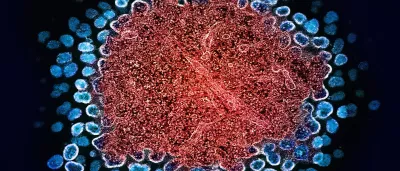
The Institute for Health Metrics and Evaluation (IHME) has released a study in The Lancet HIV journal, revealing **significant progress in the global fight against HIV/AIDS** along with a warning that current trajectories do not align with the ambitious UNAIDS 2030 targets. Analyzing data from 204 countries from 1990 to 2021 and forecasting to 2050, the study shows a mixed picture of achievements and ongoing challenges. Between 2010-2021, new HIV infections decreased from 2.1 million to 1.7 million and HIV-related deaths from 1.2 million to 718,000. However, **regional variations persist**. Sub-Saharan Africa saw a **60% decline in lifetime HIV acquisition risk since 1995** and reduced the population without suppressed HIV levels from 19.7 million in 2003 to 11.3 million in 2021. Contrastingly, in Central Europe, Eastern Europe, and Central Asia, the lifetime probability of getting HIV increased from 0.4% to 2.8% from 1995 to 2021, and PUV rose from 310,000 to 680,000 between 2003 and 2021. Despite substantial gains, the world is not on track to meet the UNAIDS 2030 targets to cut new infections and AIDS-related deaths by 90%. **Recommendations** from the study include strengthening public health initiatives like PEPFAR and expanding prevention services using existing and emerging technologies. The findings underscore the urgency for a renewed global commitment to eradicating HIV as a public health threat.