Neural Crest Stem Cells: The Key to Efficient Cellular Reprogramming?
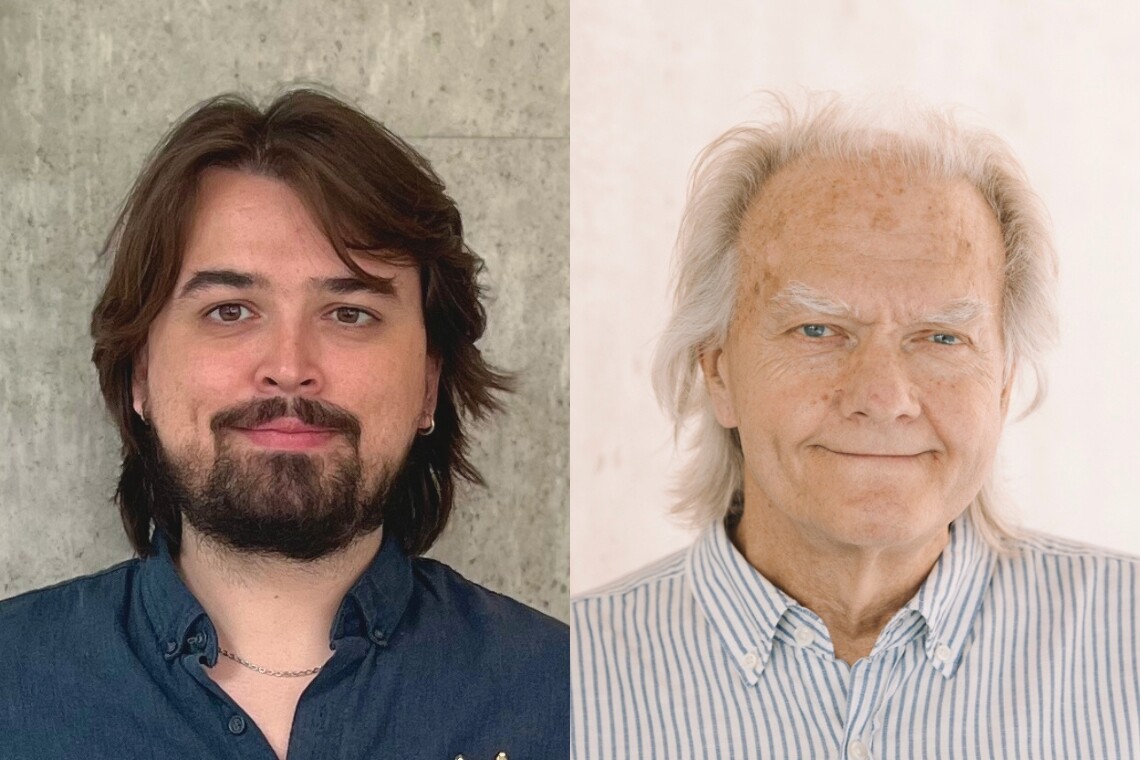
A groundbreaking study by researchers from the University of Toronto has identified neural crest stem cells—found in the skin and various parts of the body—as the true source of reprogrammed neurons that previous studies posited could originate from any adult cell. **This discovery challenges the prevailing theory** in cellular reprogramming that any cell type can be altered into an unrelated one through transcription factors. The research team proposes an alternative theory that underscores the unique reprogramming potential of a rare multi-potential stem cell type, the neural crest stem cells. Lead researcher Justin Belair-Hickey notes that cellular reprogramming’s inefficiency could be attributed to the fact that the neural crest stem cells are one of the few that can yield new cell types. Neural crest cells reside beneath the hair follicle in the skin and are genetically inclined to develop into neurons, originating from the same embryonic layer—ectoderm—as neurons themselves. The researchers challenge the interpretation that mature cells from one germ layer can directly transform into mature cells of another. Instead, they assert that reprogramming happens between a stem cell and a mature cell within the same germ layer. Neural crest stem cells, identified throughout the body, can morph into various cell types, potentially revolutionizing stem cell transplant methodologies for disease treatment. Despite being widely distributed, their rarity may have led to their prior misidentification as fully differentiated cells previously thought to be reprogrammable into other kinds of cells. The study, published in Stem Cell Reports, was funded by the Canadian Institutes of Health Research and others. The findings offer a new perspective on cell reprogramming and set the stage for future research into the unique capabilities of neural crest stem cells.