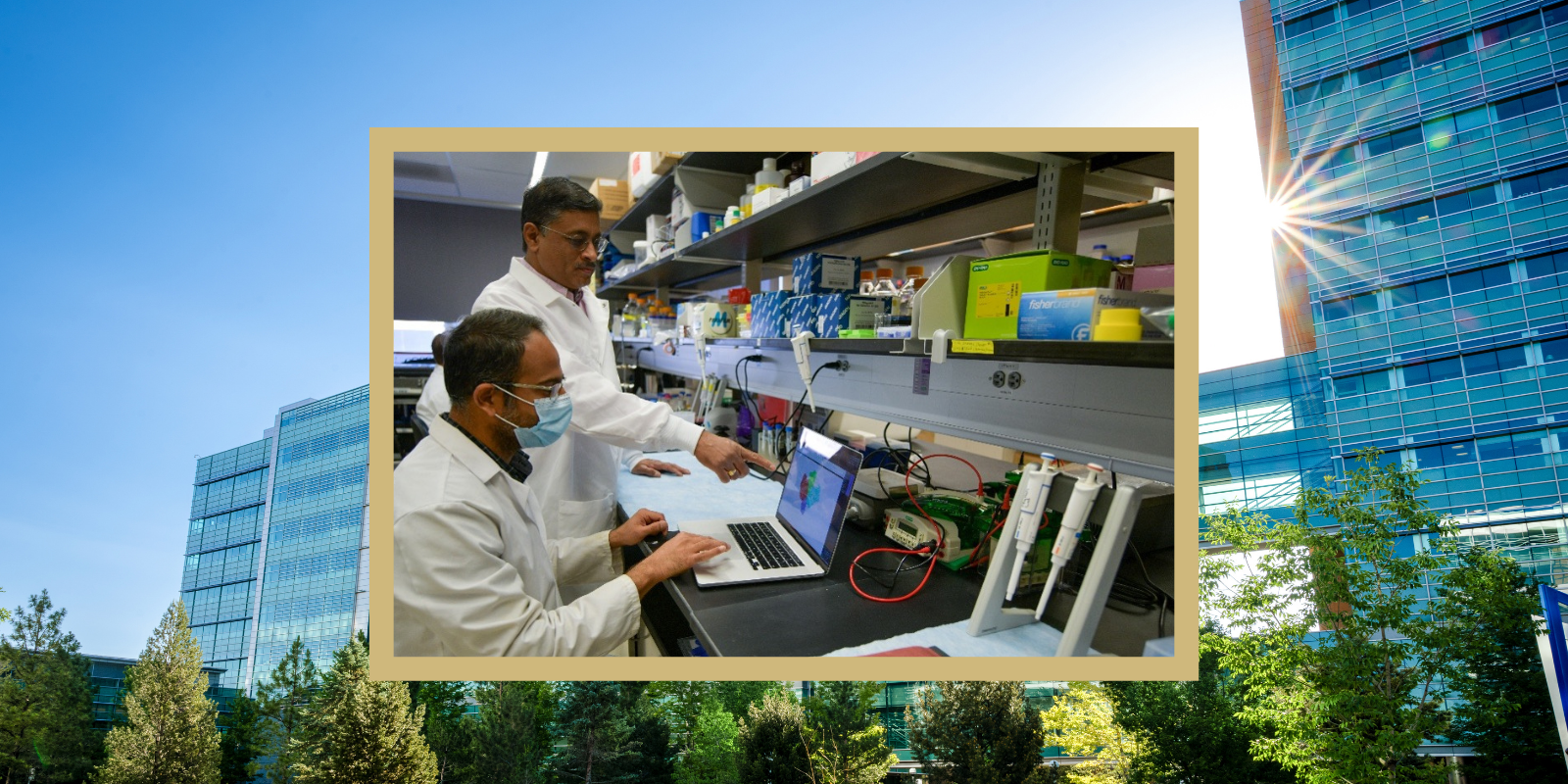
New Insights into Dystrophin-Dystrobrevin Interactions Could Revolutionize Duchenne Muscular Dystrophy Treatments
**A pivotal study** published in the Journal of Biological Chemistry offers fresh insights into the interaction between dystrophin—a protein vital for muscle stability—and its partner, dystrobrevin. **Duchenne Muscular Dystrophy (DMD)**, a critical genetic condition, stems from mutations in the dystrophin gene, resulting in debilitating muscle weakness. Present treatments, while life-extending, remain costly and only partially effective. The research, led by Prof. Krishna Mallela from the University of Colorado, outlines the distinct roles played by the C-terminal domain of dystrophin in maintaining cellular membrane stability across tissues. Moreover, it reveals how dystrophin’s interaction with the two major isoforms of dystrobrevin varies, influenced by differences in amino acid composition, affecting the stability of the dystrophin-associated protein complex. This finding could explain DMD's varied effects beyond skeletal muscles, impacting organs like the heart and brain. **This study paves the way for more targeted and effective DMD therapies by digging into the molecular roots of the disease.** Additional support for this research was provided by a grant from the ALSAM Foundation.