New Insights on Earth's Longest Submarine Ridge: A Curtin University Discovery
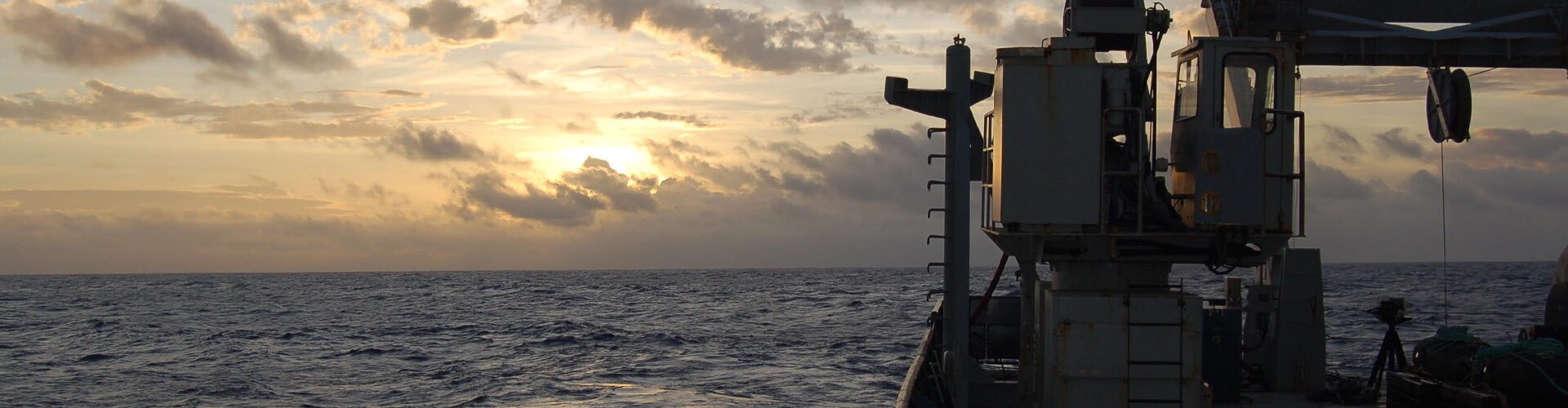
**Recent research from Curtin University** has provided groundbreaking insights into the formation of the Ninetyeast Ridge, the longest straight underwater mountain chain on Earth. Spanning 5000km along the Indian Ocean's 90-degree east longitude, this ridge's formation was previously misunderstood. **The study utilized high-precision mineral dating**, indicating that the ridge emerged between 83 and 43 million years ago due to volcanic activity, with the oldest parts near India. Unlike many volcanic hotspots, which remain stationary as Earth's tectonic plates drift over them, the hotspot responsible for the Ninetyeast Ridge moved several hundred kilometers within the Earth's mantle over time. This type of hotspot mobility has mostly been theorized in the Pacific, making this the first documented instance in the Indian Ocean. **This discovery** revises prior estimates of the ridge's age and origin, significantly enhancing models of Earth's tectonic history. Co-author Professor Fred Jourdan emphasizes the importance of accurate dating techniques in comprehending Earth's geological past. The study, spearheaded by PhD student Associate Professor Qiang Jiang, is a significant stride toward better understanding Earth's internal dynamics, essential for predicting natural disasters like earthquakes and volcanic eruptions. The findings are published in Nature Communications.