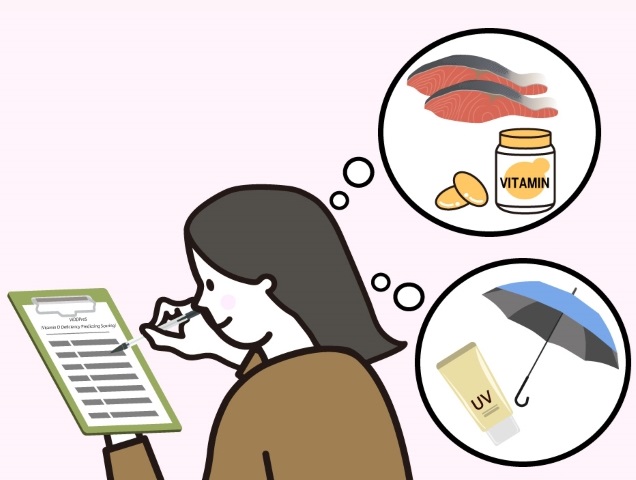
New Tool ViDDPreS Tackles Vitamin D Deficiency in Young Japanese Women
Vitamin D, crucial for bone health and immune function, is naturally synthesized in the body through sun exposure and dietary intake. However, stringent sunburn prevention methods have led to widespread vitamin D deficiency in **young Japanese women**, posing serious health risks like pregnancy-related hypertension and low infant birth weights. Addressing this issue, Professor Akiko Kuwabara from Osaka Metropolitan University spearheaded a study involving 583 women aged 18-40. The study aimed to devise a simpler tool to predict vitamin D deficiency without relying on expensive and invasive serum testing. Through comprehensive surveys covering lifestyle habits, diet, and regional UV exposure, the research team developed ViDDPreS (Vitamin D Deficiency Predicting Scoring). This non-invasive and cost-effective tool allows health professionals to identify individuals at risk efficiently. Professor Kuwabara emphasizes the potential of ViDDPreS in promoting the appropriate use of vitamin D supplements, thereby improving health outcomes. The study's promising results were published in *Public Health Nutrition*, marking a significant step forward in public health strategies for preventing nutrient deficiencies.