Oxford Scientists Revolutionize Fluorine Extraction with Safe and Sustainable Method
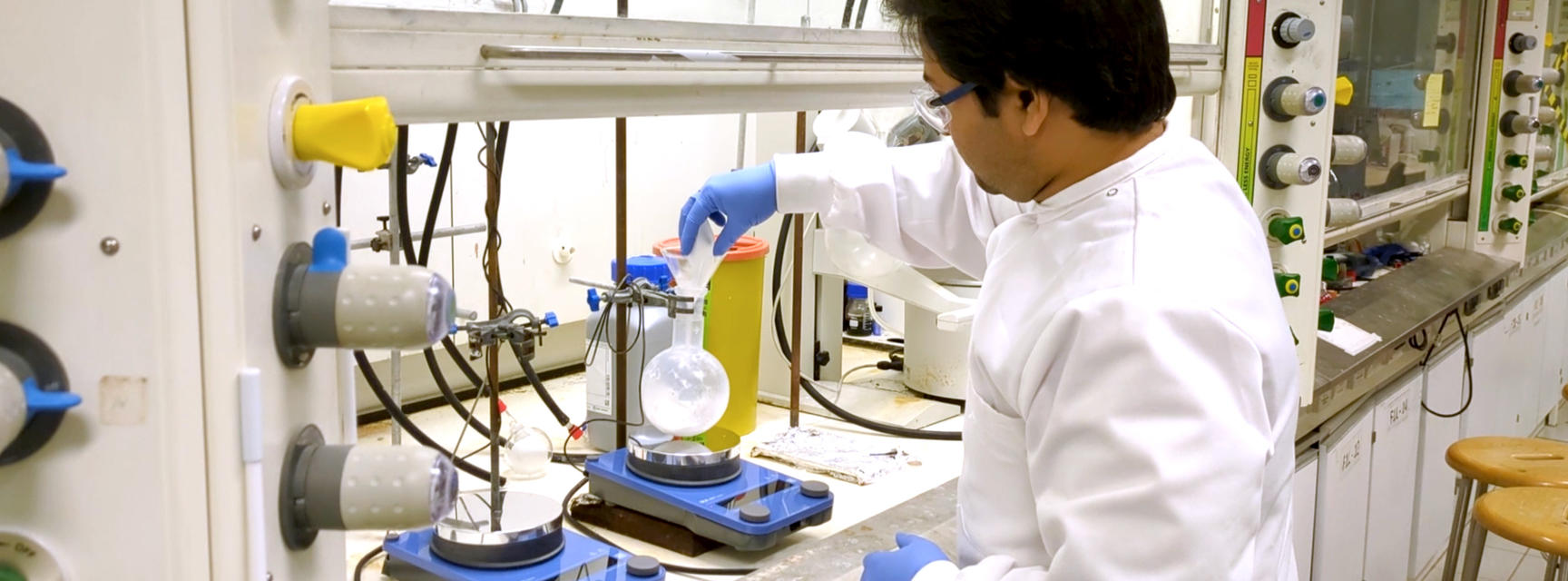
**Researchers at the University of Oxford have pioneered a novel method to extract fluorine from fluorspar (CaF₂),** a significant advancement that could reshape the fluorochemical industry. Traditionally, fluorochemicals are derived from the dangerous mineral acid hydrogen fluoride (HF), produced by a high-energy reaction of fluorspar with concentrated sulfuric acid. This method has safety risks, evidenced by past HF spills causing serious casualties and environmental damage. The Oxford team's innovative process involves using oxalic acid and a fluorophilic Lewis acid to extract fluorine in water under mild conditions, bypassing the need for HF. Notably, the method is versatile, adaptable depending on the chosen Lewis acid. For example, boric acid yields tetrafluoroboric acid, useful in Balz-Schiemann reactions, while replacing it with silica produces hexafluorosilicilic acid, convertible into essential fluorinating reagents. This breakthrough not only provides a safer and more sustainable route but also offers economic advantages by potentially reducing reliance on fossil fuels and aligning with efforts to produce oxalic acid from CO₂ and biomass. **Co-lead authors Dr. Simon Immo Klose, Dr. Anirban Mondal, and Calum Patel highlight the practicality and immediate impact of this method**, stressing its ability to transform fluorspar into diverse fluorochemicals without HF's hazardous supply chain. Prof Véronique Gouverneur, who led the study, emphasizes the ease of implementation of this protocol, which avoids carbon emissions from HF production and supports localized supplies, crucial for both academic and industrial applications.