Redefining Cellular Death: A New Mathematical Approach
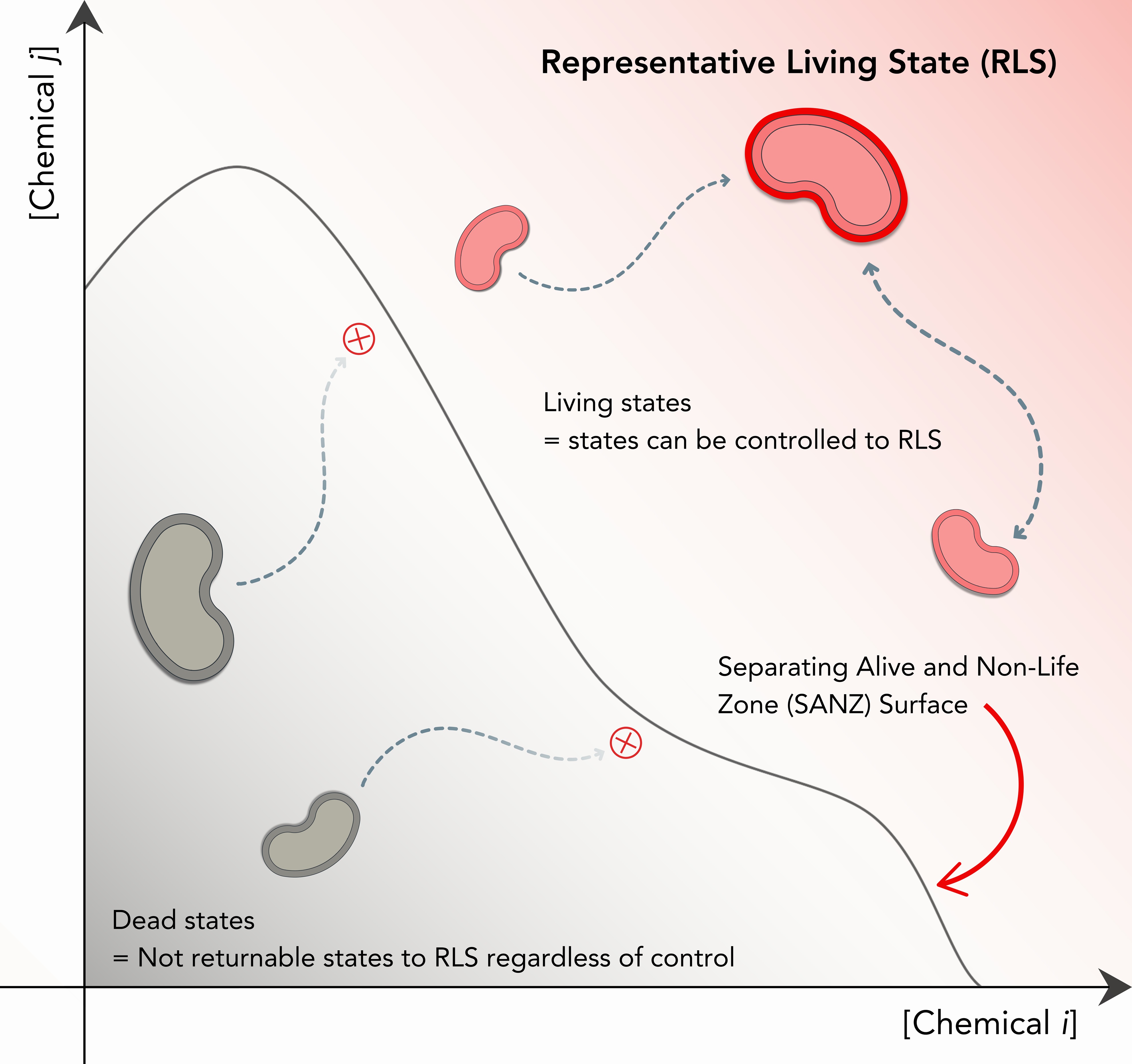
In a world where death is inevitable for all living entities, the concept of cellular death surprisingly lacks a uniform mathematical definition. **Researchers at the University of Tokyo** have addressed this by proposing a mathematical framework to define death at the cellular level. Their approach considers whether a cell, currently in a potentially dead state, can revert to what can be categorically defined as 'living.' This definition hinges on the principles of enzymatic reactions and the second law of thermodynamics, utilizing a method they term 'stoichiometric rays'. The research team, led by Assistant Professor Yusuke Himeoka, aims to quantify the very boundary between life and death. Himeoka's long-term goal is to mathematically decipher why the transition from life to non-life is straightforward while the opposite is not. The proposed methodology focuses on cellular metabolism control via enzyme activity and biochemical processes, suggesting that these mechanisms might allow cells to return to a living state unless they are truly dead. While this method is limited to non-autonomous systems—the systems that don't create their control machinery—it paves the way for new research avenues. Himeoka envisions extending the methodology to autonomous systems in the future, potentially reshaping our understanding and control over the cellular death process. This could ultimately alter our perception of life, emphasizing the profound social and scientific implications of fully grasping the concept of death.