Revitalizing Japan's New Towns: A Community-Led Urban Transformation
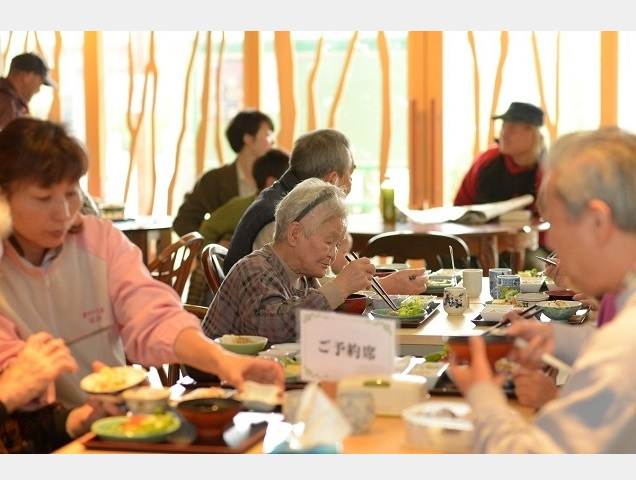
**Planned suburban residential neighborhoods**, known as _new towns_, initially blossomed in England, later spreading across Europe and into East Asia, including Japan. Over time, many of these towns faced significant challenges, including **population decline** and an increase in the elderly population. For example, Senboku New Town's population dwindled from 170,000 to 115,000 by 2022, with older residents making up 37.1% of the total population. This demographic shift led to the **closure of local shops**, impacting the quality of life, especially for the elderly who struggled to access essential services. To counter these issues, residents, alongside community federations and other organizations, initiated community-led projects such as the **Senboku Hottokenai Network Project.** This project aims to transform vacant buildings into supportive housing, group homes, and community restaurants, promoting a sense of community and co-creation. Such efforts demonstrate a framework for _sustainable urban transformation_, aligning with the United Nations' agenda to _'leave no one behind.'_ This model of revitalizing **old new towns** offers insights for similar urban environments across East Asia.