Revolutionary Biodegradable Plastic: A New Hope for Ocean Conservation
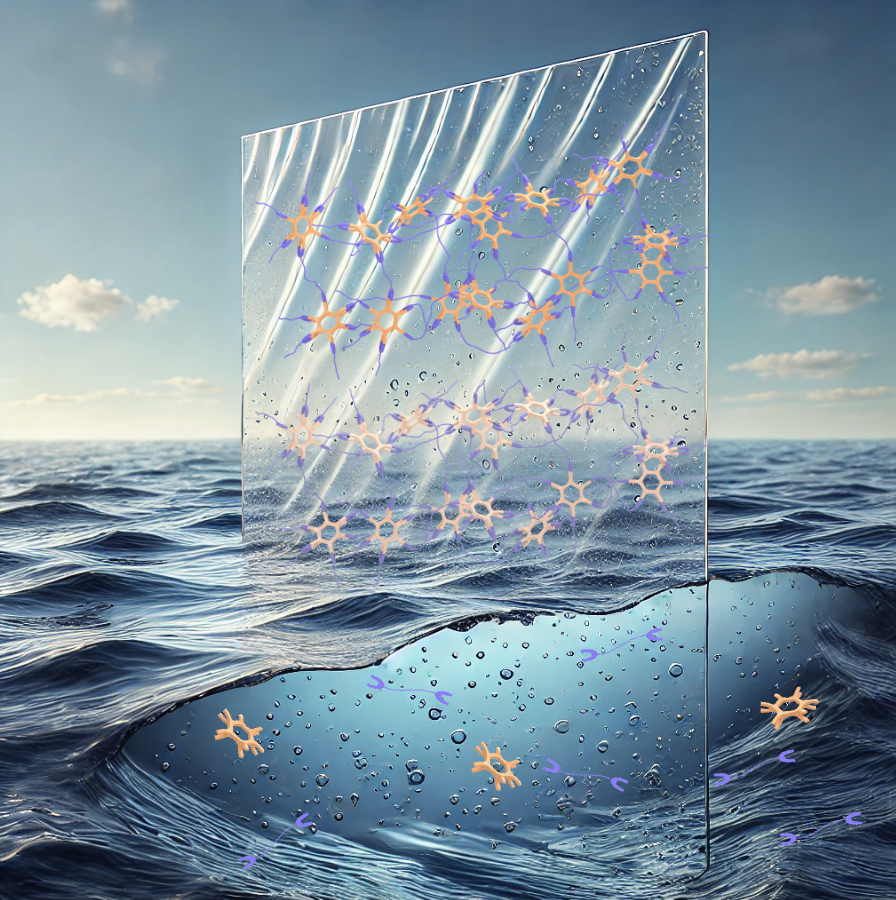
**Researchers** at the RIKEN Center for Emergent Matter Science have crafted a groundbreaking **biodegradable plastic** that promises to reduce **microplastic pollution** in our oceans. This new material is as strong and versatile as conventional plastics but with the added benefit of breaking down when exposed to seawater. The plastic is made from two ionic monomers that form strong, yet reversible, cross-linked salt bridges. These monomers, which include a common food additive, sodium hexametaphosphate, and guanidinium ion-based substances, are metabolized by bacteria, ensuring complete biodegradability once dissolved. By mixing these monomers in water, researchers observed a separation into two liquids, where the thick one contained the crucial structural elements. After a process known as **desalting**, the plastic becomes strong and durable but will dissolve in salt water, reversing its structure. The **flexibility** of this new material means it can be tailored for various applications, including scratch-resistant, silicone-like, and weight-bearing plastics. The plastic is also non-toxic, non-flammable, and can be reshaped at high temperatures. Initial recycling tests showed a significant recovery rate of the plastic's components, and in soil, the material degraded within 10 days. This innovation opens up possibilities for 3D printing, medical applications, and more while ensuring that these plastics do not contribute to microplastic pollution.