Revolutionary Imaging Technique Offers Hope for Head and Neck Cancer Prognosis
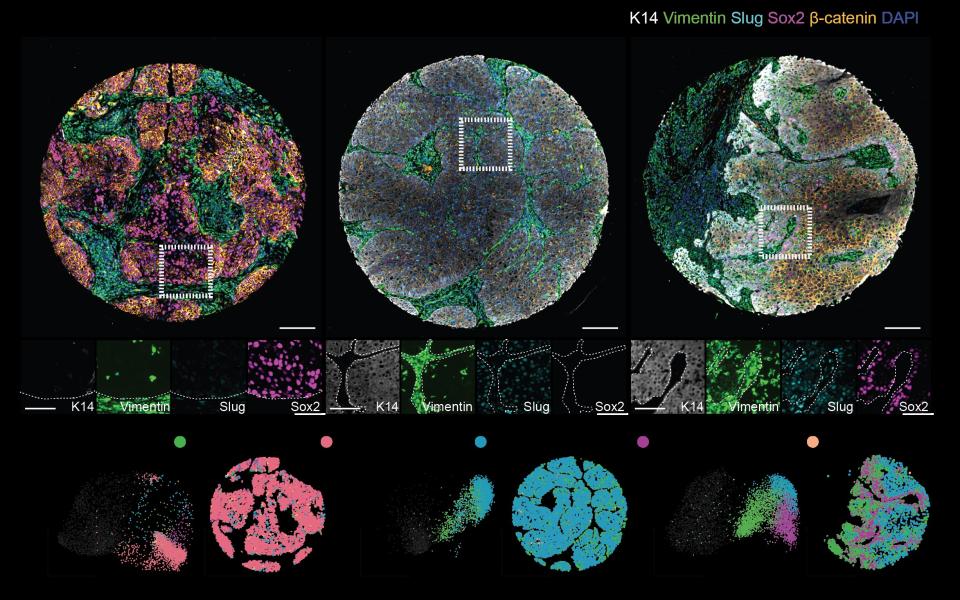
Researchers at the University of Helsinki, in collaboration with the University of Turku and the Max Planck Institute for Molecular Biomedicine, have developed a novel imaging analysis technique utilizing machine learning to analyze hundreds of biobank patient samples at a cellular level. This groundbreaking method allows for the creation of individual 'fingerprints' for each patient's cancer, combining biomarkers of cell behavior with tumor and tissue architecture. Through this, they identified two new patient subgroups with distinct prognoses — one with a very good outlook and the other with a poor prognosis linked to EGF-mediated signaling between cancer and healthy tissue. The method's ability to identify these groups means treatments can be tailored more precisely, offering aggressive strategies for high-risk patients while preserving quality of life with less intense treatments for those with better prognoses. The researchers are in the process of developing a diagnostic test for cancers in the head and neck area, expanding its use to other cancer types such as colorectal cancer. They emphasize that this advancement in precision diagnosis, made possible by high-performance computing and artificial intelligence, represents a significant step forward in cancer diagnostics. The cost-effectiveness of this method, which uses existing antibody staining techniques paired with new algorithms, offers hope for improving survival rates for head and neck cancers, which have seen increased prevalence over the last three decades.