Revolutionary PET Scan Detects Pancreatic Tumors More Effectively
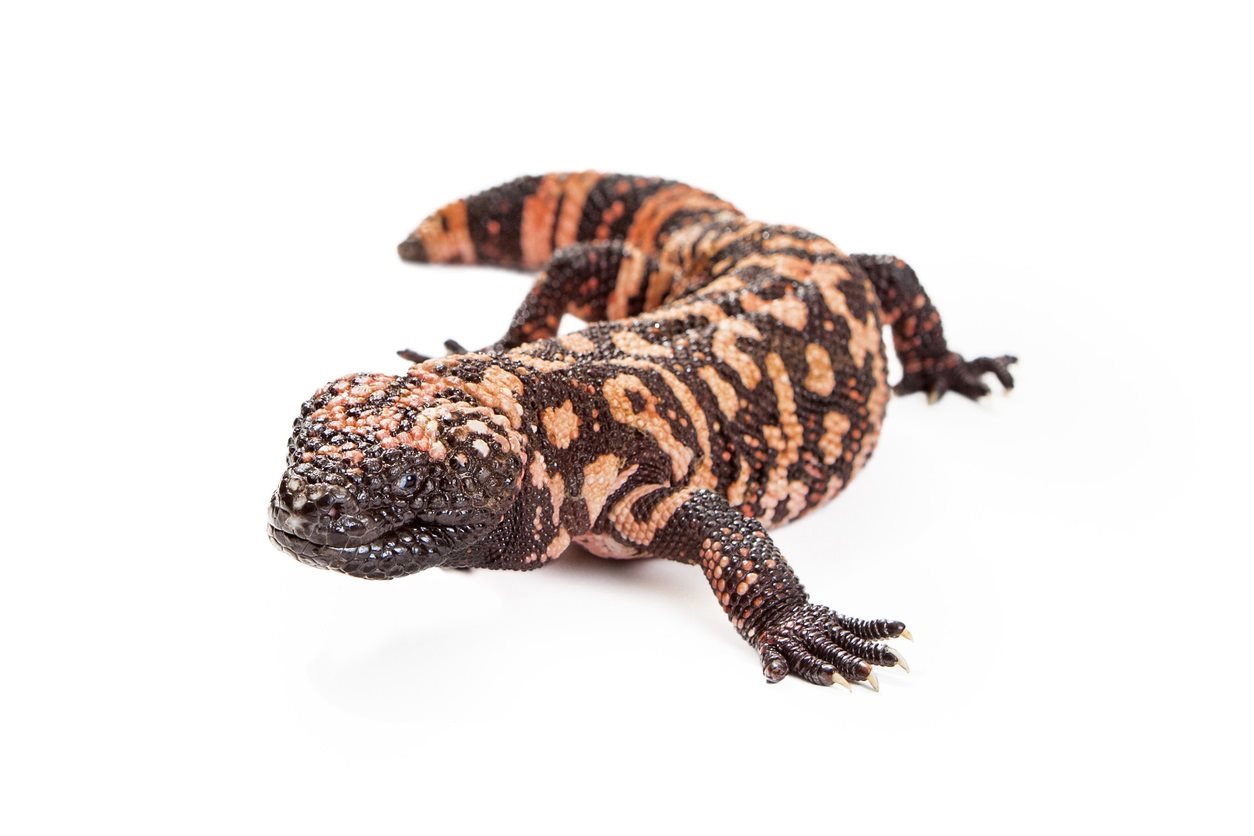
**Radboud University Medical Center** has pioneered a new scanning method, the **Exendin-PET scan**, to improve the detection of insulinomas—benign pancreatic tumors often elusive to traditional scans. Insulinomas lead to excessive insulin production causing low blood sugar, resulting in symptoms such as fatigue and fainting. Diagnosing these tumors has historically been challenging, with CT, MRI, and PET scans often failing to pinpoint their location accurately. Previously, surgery involved removing large sections of the pancreas to locate the tumor, risking severe diabetes. This new scan improves localization by detecting **95% of insulinomas** in a study of 69 adult patients, compared to the **65% detection rate** of current PET scans. The Exendin-PET scan, based on a **Gila monster saliva** substance chemically stabilized for human use, binds to the GLP1 receptor on these tumors, making them visible on PET scans through a mild radioactive marker. This advancement not only enhances detection but also opens new research avenues in treating insulinomas, as the research team investigates the Exendin's therapeutic potential through the **LightCure** project. The next steps involve introducing the Exendin-PET scan into clinical practice and evaluating its impact on patient quality of life and healthcare costs.