Revolutionizing Drug Discovery: Unveiling the PIONEER Software
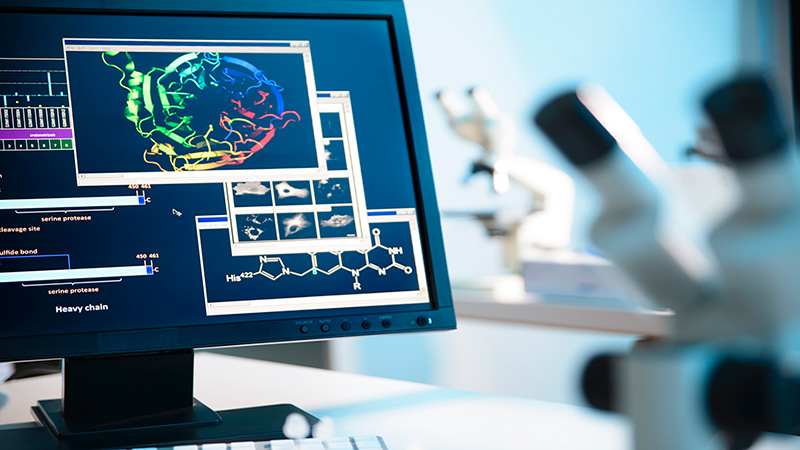
Scientists from Cleveland Clinic and Cornell University have designed a public access **software** named **PIONEER** (Protein-protein InteractiOn iNtErfacE pRediction) to simplify identifying crucial protein-protein interactions for drug discovery. This development is crucial in the **era of the interactome**, where interactions among proteins play a key role in understanding diseases, especially complex ones like cancer. PIONEER merges substantial data sets including genomic sequences from 100,000 individuals, 3D structures of over 16,000 proteins, and known interactions between 300,000 protein pairs. This culminates into a database covering more than 10,500 diseases. **Genomic research**, while pivotal, often falls short as drug development is slowed by the complexity of protein interactions. Dr. Feixiong Cheng and his team sought to streamline this process by allowing researchers to input disease-associated mutations into PIONEER, which then suggests ranked protein interactions that might be treatable with drugs. This not only opens avenues to drug discovery for a multitude of diseases like cancer, cardiovascular, and neurological disorders, but also predicts survival rates and drug responses for cancer types based on protein interactions. The software's efficacy was validated in laboratory settings by replicating 3,000 mutations on 1,000 proteins, assessing their impact on interaction pairs, and showing how these insights could be translated into therapeutic developments. One standout finding is PIONEER’s prediction of interactions between the proteins NRF2 and KEAP1, which has implications for targeted cancer therapy, notably for lung cancer. **PIONEER** aims to break the resource barrier in interactome studies, granting a broader range of scientists access to vital information that may revolutionize current therapeutic strategies.