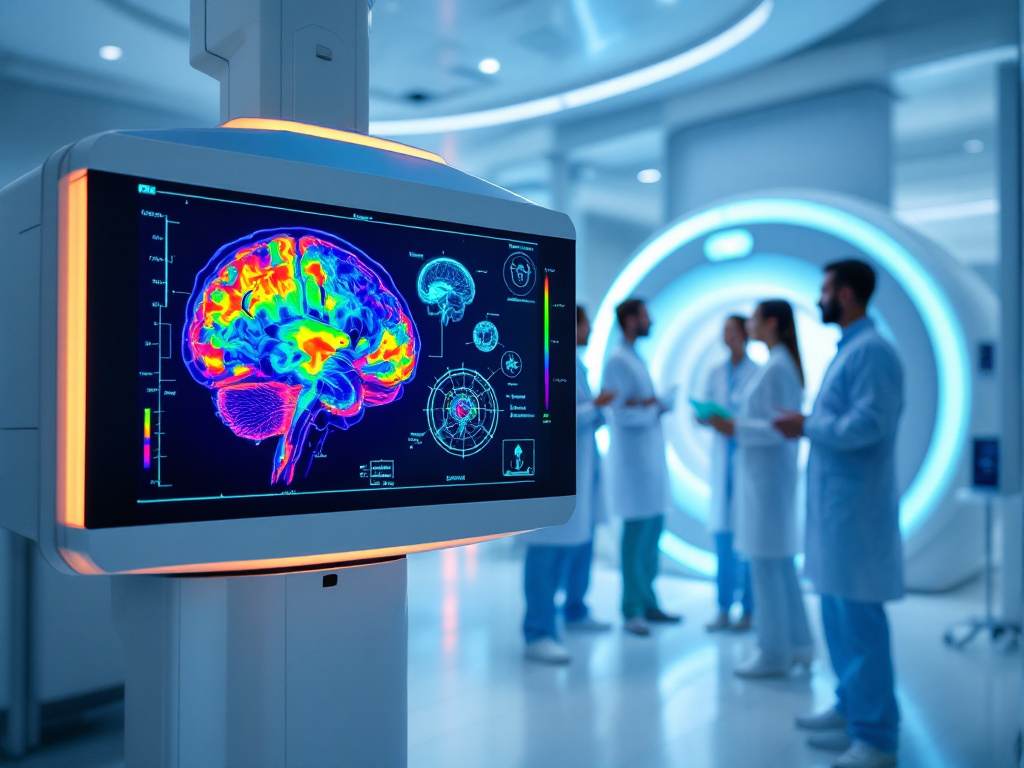
Revolutionizing Neurological Disease Detection with PET Imaging Innovation
**Positron emission tomography (PET)** is a groundbreaking imaging technique widely used in diagnosing diseases, particularly cancer. However, recent advancements from *St. Jude Children's Research Hospital* have expanded its utility to neurological diseases. Researchers have ingeniously repurposed the antioxidant drug **edaravone**, typically used for treating ALS, as a probe in PET imaging of the central nervous system. This repurposing unveils a novel method to detect _oxidative stress_, a critical factor leading to brain damage and neurodegeneration. **Oxidative stress** results from the accumulation of **reactive oxygen and nitrogen species (RONS)**, known for their role in cell signaling but harmful in excess. The innovative technique, as published in *Nature Biomedical Engineering*, provides a noninvasive means to identify oxidative stress, thereby offering the potential to diagnose neurodegenerative conditions like ALS and Alzheimer's disease at a much earlier stage than before. Early detection could significantly enhance the effectiveness of treatments, shifting the diagnostic paradigm from one based on physical symptoms—which often appear when treatment is less effective—to one based on molecular changes detectable with the enhanced PET imaging.