Revolutionizing Organ Development: UniMat's Breakthrough in Scalable Organoid Production
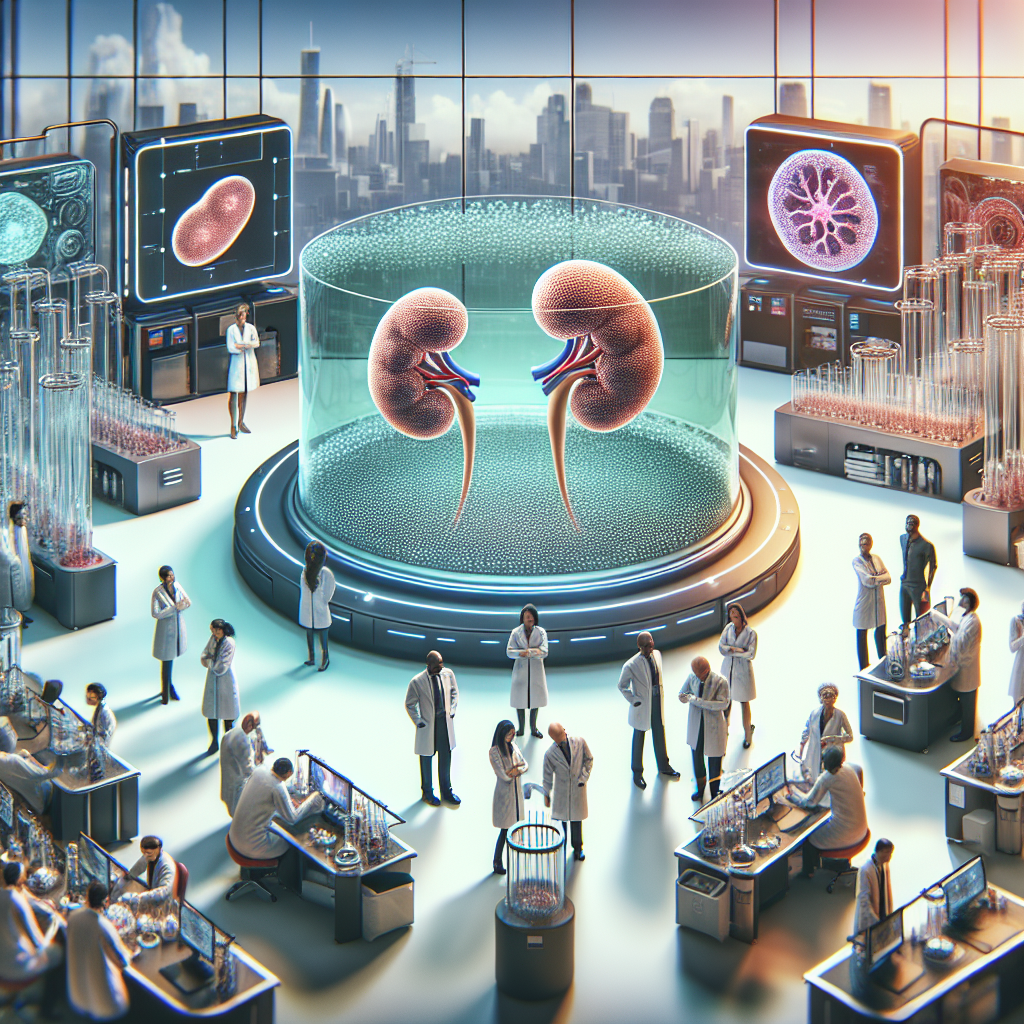
A research team led by Professor Dong Sung Kim from POSTECH, along with collaborators from UNIST, has achieved a major breakthrough in the scalable production of organoids using a platform named **UniMat**. Organoids are 3D cellular structures that mimic human organ functions and are essential in areas like organ development, disease modeling, and regenerative medicine. However, traditional methods face challenges such as heterogeneity and low reproducibility, limiting their use in clinical trials and drug development. To solve these issues, the team developed UniMat, utilizing a three-dimensional engineered membrane made of ultra-fine nanofibers. This platform enhances nutrient delivery and provides a uniform environment, crucial for organoid maturation. Using UniMat, researchers produced high-quality kidney organoids with structures similar to human kidneys and established a polycystic kidney disease model, showcasing its potential in standardized disease modeling and drug evaluation. Professor Kim emphasized that UniMat not only accelerates organoid-based R&D but also supports the development of alternative animal testing methods. This innovation lays the groundwork for broader industrial applications, supported by several Korean national research programs.