Severe Pregnancy Complications May Reduce Desire for Further Children
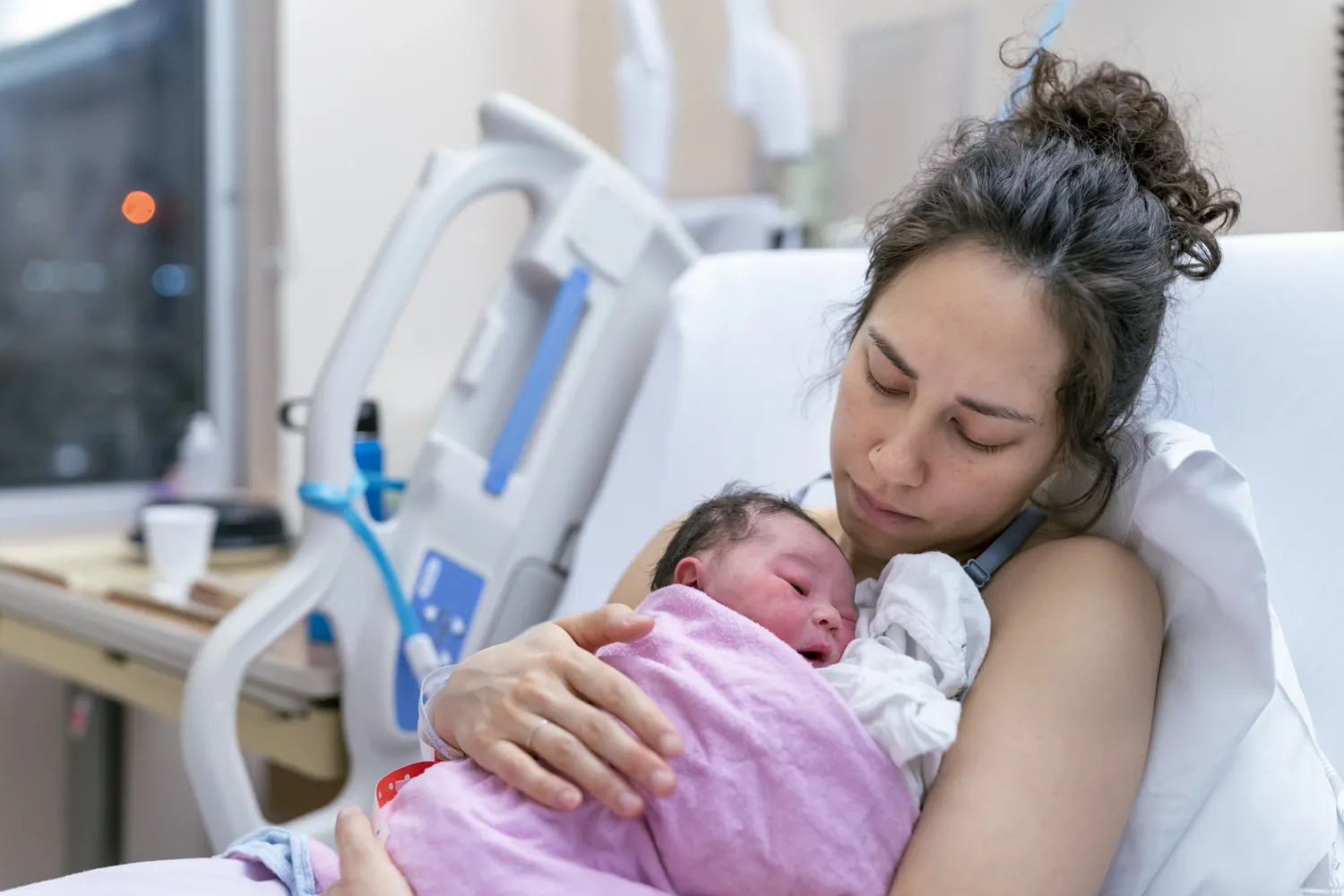
**A recent study published in JAMA by researchers at the Karolinska Institutet highlights an important link between severe pregnancy complications and the reduced likelihood of women having more children.** As birth rates in Sweden steadily decline, the study emphasizes the importance of monitoring and providing individualized advice for women who experience significant health issues during their first pregnancy or delivery. The research, which analyzed data from over a million women who had their first child between 1999 and 2021, found that 3.5 percent of first-time mothers suffered serious complications, making them 12 percent less likely to have a second child. **Particularly affected were women with cardiac complications, severe mental health issues, or uterine ruptures, who were 50% less likely to have a subsequent birth.** Others, such as those needing respiratory care or experiencing cerebrovascular incidents like strokes, were 40% less likely. The study aimed to factor out familial influences by comparing affected women with their sisters and suggests various factors like trauma, decreased desire for more children, or medication-related infertility as possible reasons. **The researchers stress the importance of effective antenatal care to support these women, proposing that proper counseling and monitoring could mitigate the impact of these complications.** Funded by grants from multiple Swedish organizations, the study urges healthcare providers to address these issues to counter the ongoing decline in birth rates.