Shielding Fusion Reactors: The Role of Durable Oxide Coatings
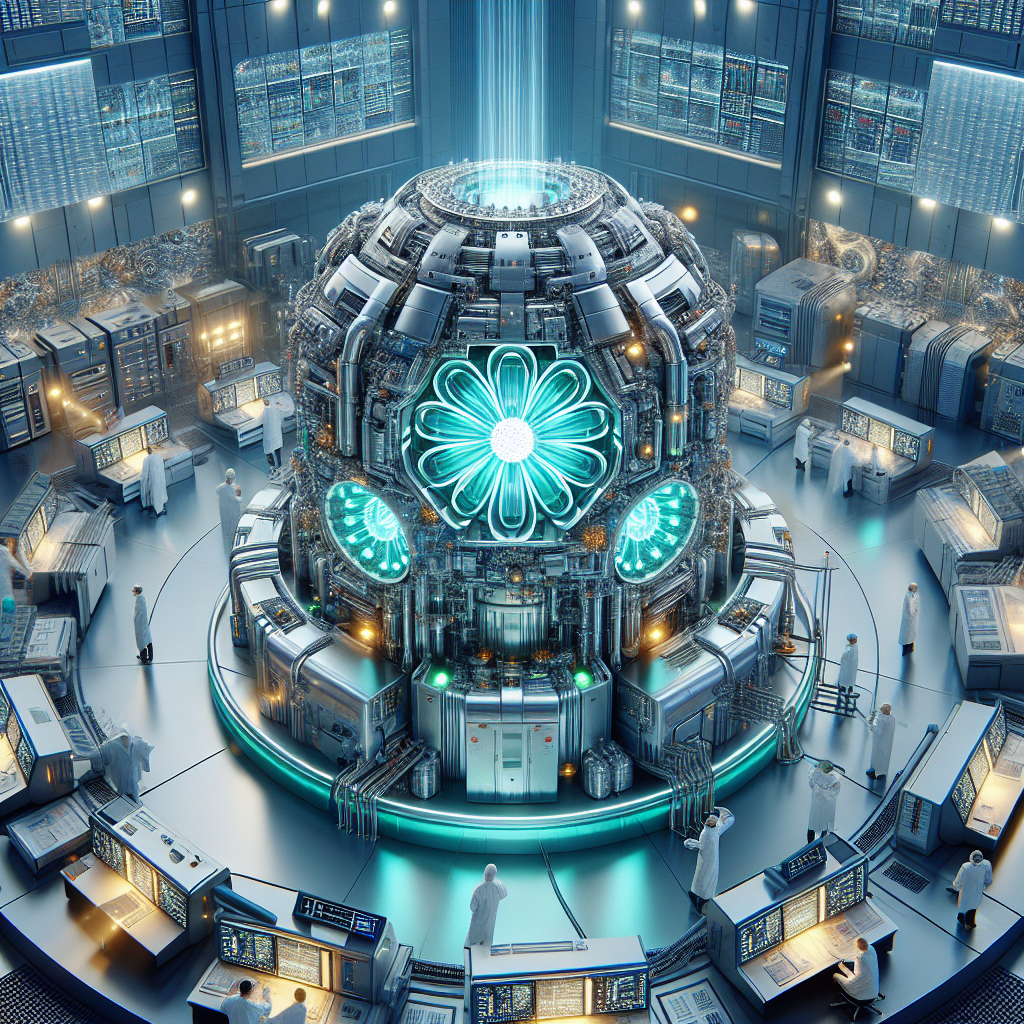
Researchers from the Institute of Science Tokyo, led by Associate Professor Masatoshi Kondo, explored protective coatings to enhance the durability of materials in fusion reactors. **Fusion reactors**, known for their potential as sustainable energy sources, face material challenges due to extreme temperatures and corrosive environments, particularly from liquid metal coolants like lithium-lead (LiPb) alloy. This study focused on the corrosion resistance of oxide layers formed on ODS (oxide-dispersion-strengthened) FeCrAl alloys under high temperatures. Two specific ODS alloys, SP10 and NF12, were tested under static and dynamic flow conditions at 873 K. The tests showed that the **pre-formed α-Al2O3 layer** effectively suppressed initial corrosion but partially transformed into γ-LiAlO2 due to lithium adsorption. Interestingly, even without pre-oxidation, these alloys developed a **durable γ-LiAlO2 layer in situ**, acting as a self-forming protective barrier. **Microstructural analysis** revealed lithium penetration into the α-Al2O3 layer, causing chemical transformations, yet the protective layers maintained strong adhesion, evidenced by micro-scratch tests. This finding suggests these coatings can withstand high thermal stresses, offering a sustainable shield for reactor components. As nuclear technology advances, these discoveries are vital for developing reactors capable of running safely and efficiently for extended periods.