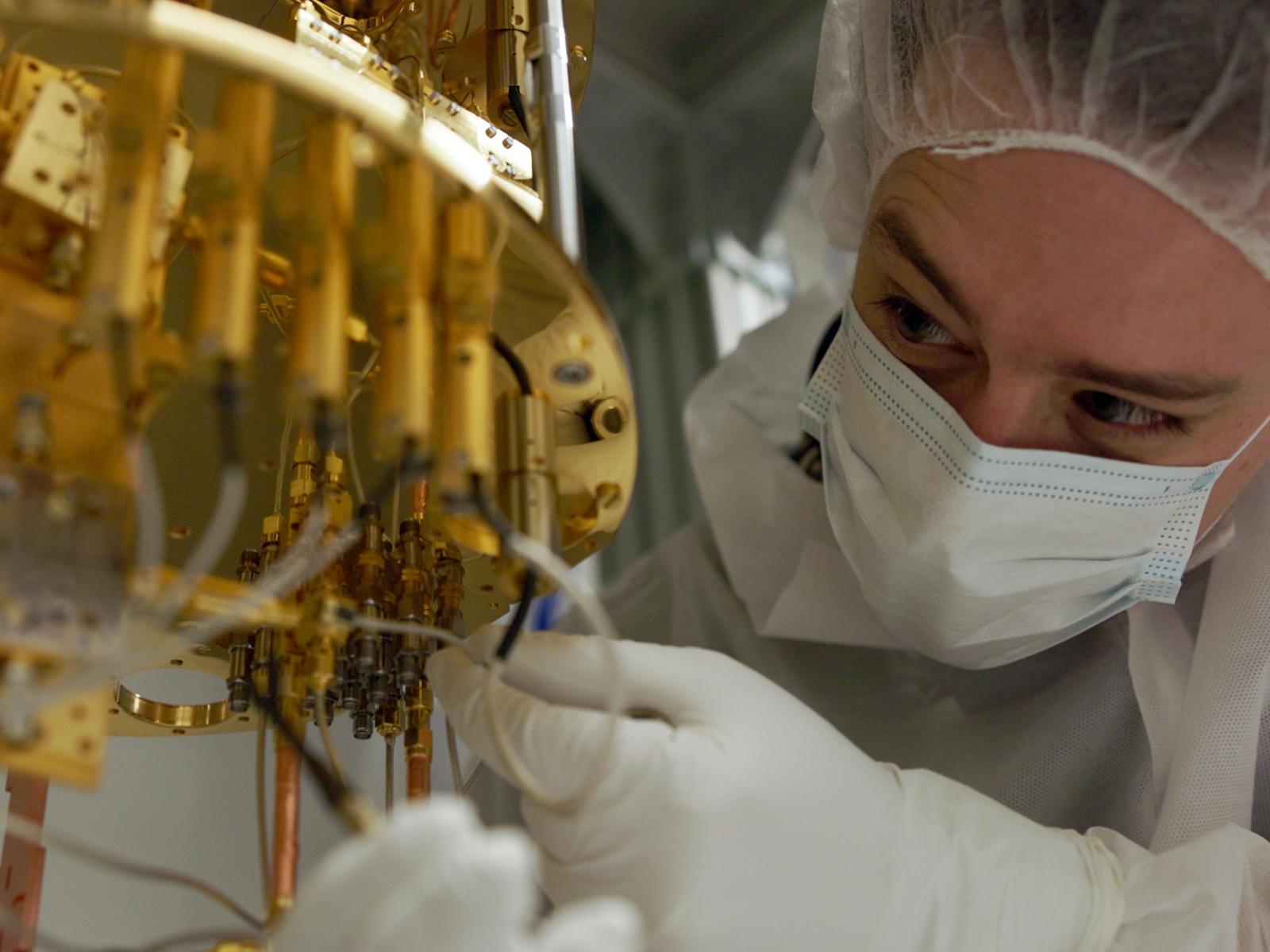
Shielding Superconducting Qubits: Battling Radiation for Quantum Coherence
**Quantum Computing** gains momentum as researchers unveil the impact of low-level radioactive sources on superconducting qubits. **Two pivotal studies** reveal that cosmic radiation and natural isotopes equally contribute to qubit decoherence, a major hurdle in achieving practical quantum computing. Conducted by the Pacific Northwest National Laboratory in collaboration with MIT and other institutions, the research emphasizes the importance of **shielding sensitive experimental equipment** from radiation. A lead-shielded cryostat at PNNL's Low Background Cryogenic Facility could reduce error rates by up to **20 times** compared to unshielded facilities. The studies also highlight how common materials in experimental setups, particularly **metal isotopes** in cables and connectors, act as radiation sources. By switching to materials like brass and minimizing natural radiation within dilution refrigerators, scientists can significantly improve qubit stability. Moreover, the team conducted experiments using ultrasensitive detection methods to identify contaminants in silicon, copper, and ceramics. A **companion study** in PRX Quantum outlines methods to test and mitigate radiation's impact on superconducting qubits, leveraging expertise from building neutrino and dark matter detectors. The project received support from the Department of Energy's Quantum Horizons and QuantISED programs, aiming to develop **'radiation-hardened' qubits** with reduced sensitivity to radiation.