Smartphone-Based Edge Computing Revolutionizes Wearable Health Monitoring
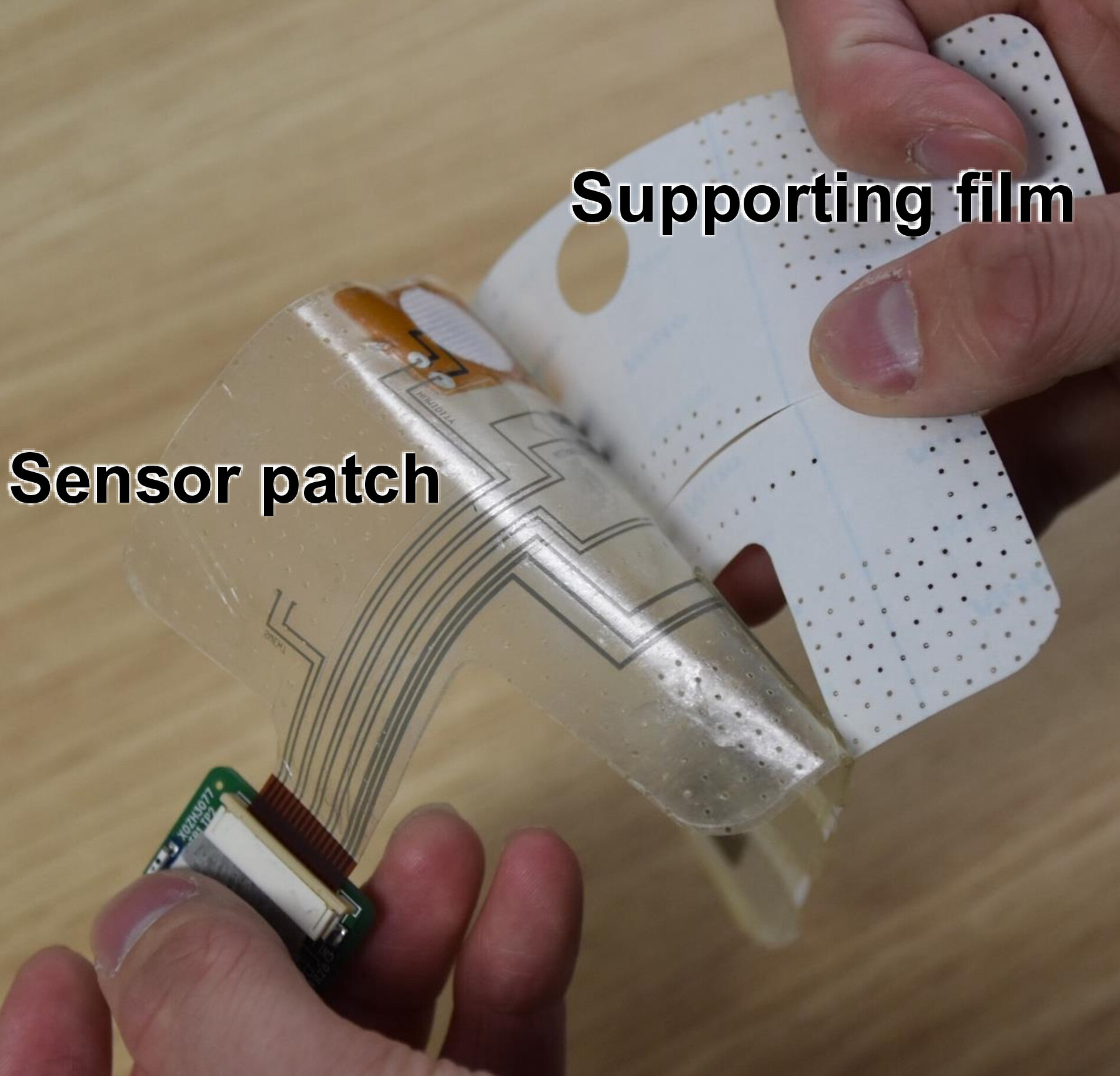
Researchers from Japan, led by Professor Kuniharu Takei and Associate Professor Kohei Nakajima, have made a **significant advancement** in wearable health technology by integrating a **multimodal flexible sensor patch** with **edge computing** on smartphones. Their study, published in _Device_, outlines the development of sensors capable of monitoring cardiac activity, respiration, skin temperature, and sweat humidity, which are then processed through an application on a smartphone. The **edge computing** approach allows for data to be analyzed directly on the smartphone, bypassing the need for remote cloud servers. Volunteers wearing the patch demonstrated the sensor's ability to detect vital changes under varying temperatures, hinting at potential early detection of heat stress. The team also utilized **machine learning** to recognize symptoms such as heart arrhythmia, coughing, and falls, achieving over 80% accuracy. This integration of **real-time machine learning**, **multimodal sensing**, and **edge computing** on mobile devices marks a noteworthy step toward practical telemedicine applications. However, challenges remain, such as the limitation that training models require a computer. Future improvements could simplify data processing to further enhance this innovative system.