Soccer Heading: New Findings Suggest Greater Brain Damage Risk
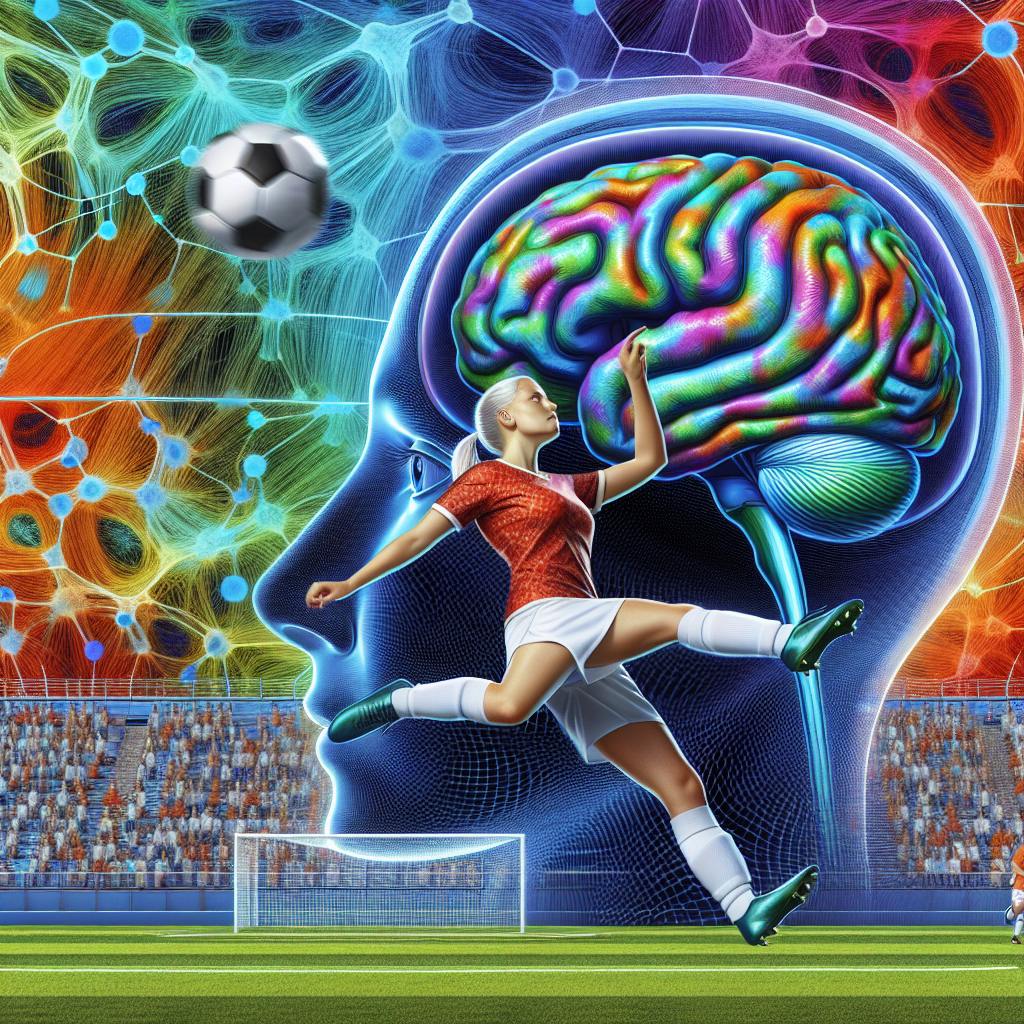
**A new study, to be presented at the Radiological Society of North America annual meeting, highlights significant concerns about the effects of soccer heading on brain health.** The research, led by Dr. Michael L. Lipton at Columbia University, reveals that soccer players who frequently head the ball exhibit abnormal white matter in brain regions typically damaged in severe brain injuries. Utilizing advanced diffusion MRI techniques, the study compared the brain scans of 352 soccer players with those of 77 athletes from non-collision sports like running. Results indicated that the white matter abnormalities were most prominent in the frontal lobe, a region particularly vulnerable to trauma and frequently impacted during soccer heading. These changes were linked to poorer verbal learning outcomes, suggesting an association between heading frequency and cognitive performance. Notably, most participants did not have a history of concussions or traumatic brain injuries, implying even sub-concussive impacts could have serious implications for brain health. The study’s findings are significant not just for soccer players but also for other athletes in contact sports, emphasizing the importance of understanding potential risks of repeated head impacts. The research, funded by the National Institutes of Health and The Dana Foundation, aims to inform safer sports practices while continuing to explore protective factors and underlying brain mechanisms.