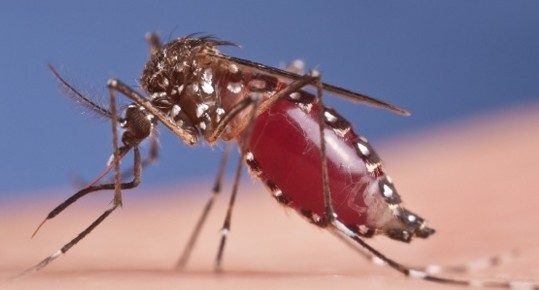
Speeding Up Mosquito Development with Beneficial Bacteria
In a groundbreaking study conducted by the University of Exeter and Wageningen University, researchers have found that exposing Aedes aegypti mosquito larvae to a particular type of bacteria, known as Asaia, can speed up their development by a whole day. This result is significant for global health programs focused on controlling diseases such as dengue, yellow fever, and Zika, which these mosquitoes are known to spread. The study highlights the potential of non-chemical-based strategies for mosquito control, particularly in anti-disease programs that breed and release non-biting male mosquitoes to curb disease transmission. These methods might prove more effective than chemical insecticides, which mosquitoes have increasingly become resistant to. **Asaia bacteria**, when added to larval water, do not provide direct nutrition; instead, they alter the bacterial community, reducing specific parasitic bacteria and potentially changing oxygen levels to promote growth hormones. This shift does not involve straightforward nutritional enhancement, yet it results in quicker larval development. The research, published in the *Journal of Applied Microbiology*, underscores the critical role of microbiomes, not just in human health but also in mosquito development. By understanding these interactions better, scientists can refine methods for mass-rearing mosquitoes, which is crucial for the efficient release of sterile or disease-resistant males into the population, thus boosting the effectiveness of disease control programs.