Stem Cell Therapy for Heart Defects Shows Promise in Monkeys
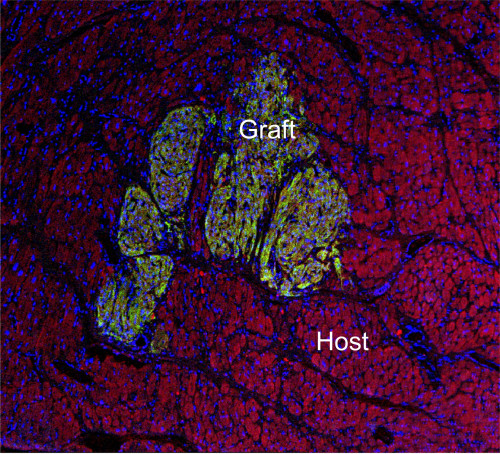
**New research from the University of Wisconsin–Madison and Mayo Clinic has demonstrated the potential of using stem cells to treat congenital heart defects.** The study, published in Cell Transplantation, investigated the integration of heart muscle cells, derived from induced pluripotent stem cells, into the hearts of rhesus macaque monkeys with right ventricular dysfunction, a condition often stemming from congenital defects and characterized by symptoms such as chest discomfort and breathlessness. **Nearly all single ventricle defects lead to eventual heart failure, requiring surgical intervention or heart transplants, which are limited by donor availability.** Led by Marina Emborg and Timothy Nelson, the research aims to support traditional surgery with stem cell grafts to enhance heart function. **Human induced pluripotent stem cells were transformed into heart muscle types and transplanted into monkey hearts, successfully integrating into the host myocardium and functioning alongside natural tissues.** Although some instances of increased heart rate occurred, they resolved quickly, supporting the potential safety of this treatment. **This marks a significant advance towards applying stem cell therapy to congenital heart conditions in humans, with extensive support from various health and research organizations.**