Sustainable Solutions: Reversing Environmental Decline in Rural Africa
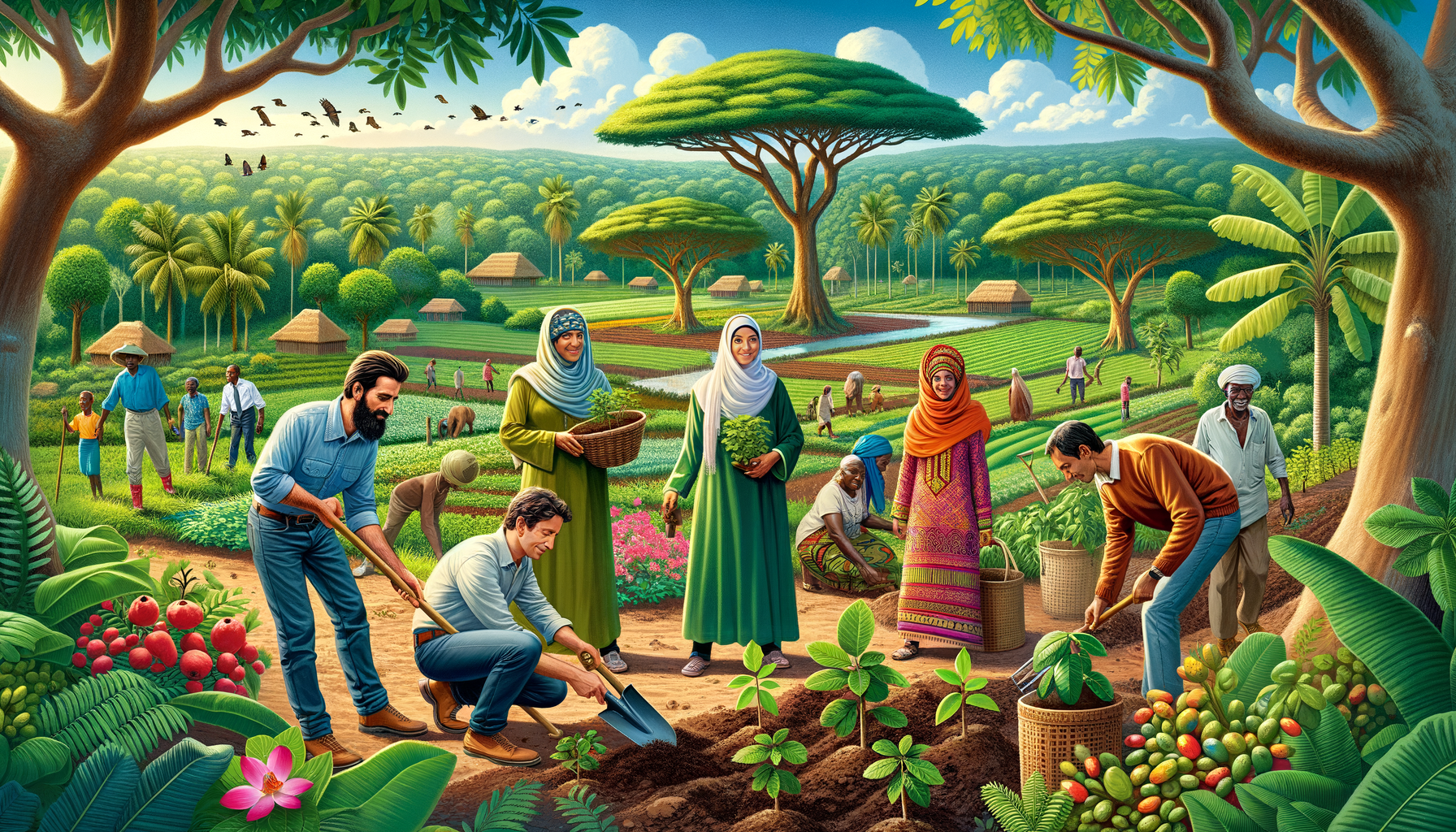
In rural Africa, where the health of the land is tightly linked to the well-being of its communities, **environmental degradation** represents a serious challenge. A study by researchers at Stanford University and CIRAD examined various African initiatives aimed at reversing this trend. The authors emphasize that no 'one size fits all' approach works, but rather a tailored approach, learning from past initiatives. The study highlights **local coalitions, aligned incentives**, and **balanced external support** as critical factors for success. For instance, in Tanzania's Shinyanga region, a community-driven reforestation effort led to the restoration of hundreds of thousands of hectares of woodland, enhancing local livelihoods. In Burkina Faso, the planting of cashew trees provided economic benefits and helped combat desertification. However, the study warns of the risks of top-down interventions, noting failures like Zambia’s Kafue Flats where external governance structures weren't accepted locally. It underscores the necessity for sustainable, community-focused projects and the balance between external support and local governance. Namibia's wildlife conservancies, which are now financially self-sustaining, serve as an example of successful long-term intervention. Ultimately, the study provides valuable lessons for reversing land degradation and advocating for sustainable land use practices.