The Cost of Climate Tipping Points: Act Now or Pay Later
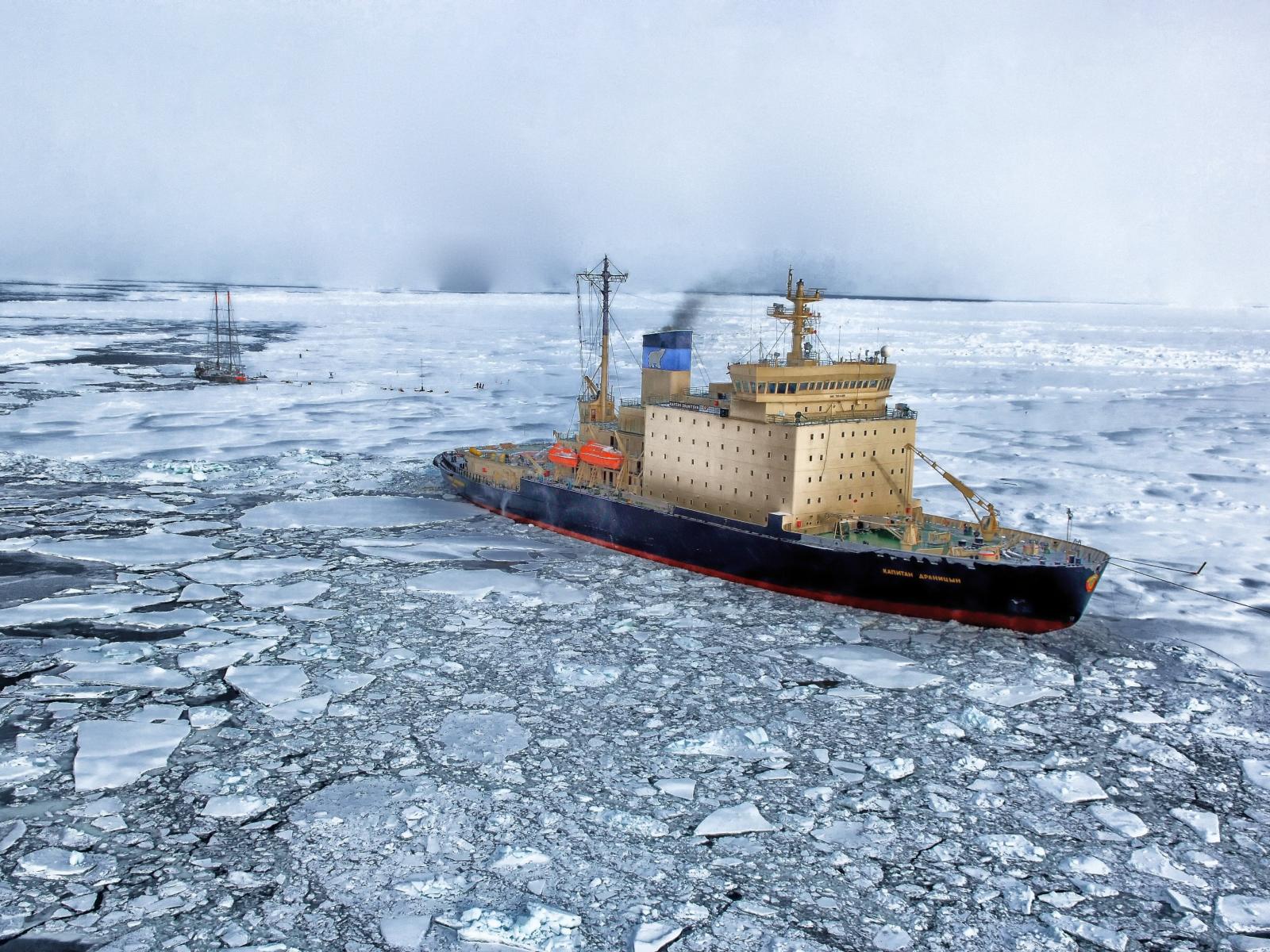
A recent study from the Pacific Northwest National Laboratory underscores the **mounting costs** of reversing climate change once tipping points are crossed. **Tipping points**, such as melting ice sheets and dying coral reefs, precipitate drastic changes like rising sea levels and loss of biodiversity. These changes are often irreversible or demand more effort to reverse than it took to cause them. **Key Findings**: - **Preventive action is more economical.** It costs nearly four times more to reverse the effects of climate change after a tipping point is crossed compared to before. - **The 'Overshoot Window'.** Some tipping points have an initial period where intervention costs increase slowly, but this is a short-lived reprieve. The eventual financial burden increases substantially once the window closes. - **The Asymmetry of Reversal.** The path to recovery is often much longer and more demanding than the path to the tipping point, requiring more significant reductions in emissions to restore pre-tipping conditions. Researcher Parvathi Kooloth emphasizes that the **strategies for intervention** depend on the unique properties of each tipping point, but all share a core behavior that can be studied through simplified models. This could one day allow early warning systems based on observable precursors before tipping points are reached. However, not all consequences of climate change are reversible, making preventive actions even more critical.