The Science Behind Crustaceans' Pain: New Insights from Shore Crabs
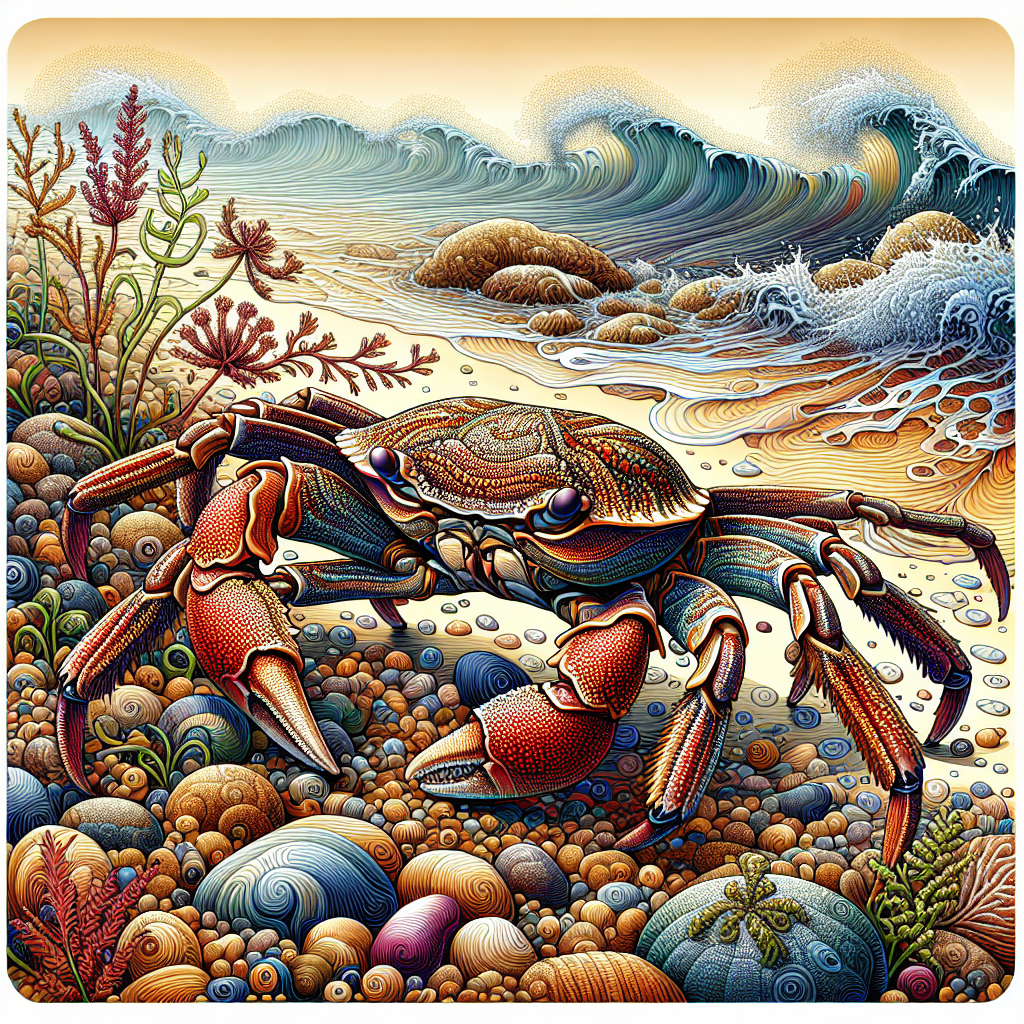
**New research from the University of Gothenburg has demonstrated for the first time that painful stimuli are transmitted to the brain of shore crabs.** This marks a significant step in acknowledging that crustaceans, such as prawns, lobsters, crabs, and crayfish, experience pain. Currently, crustaceans are not protected by animal welfare legislation in the EU, but this might change following new evidence. Through EEG-style measurements, clear neural reactions were observed in crabs during mechanical or chemical stimulation. According to Lynne Sneddon, a zoophysiologist involved in the study, these findings underscore the need to identify less painful methods to kill these animals if they remain part of the human diet. Previous observational studies had already shown crustaceans reacting to harmful stimuli like electric shocks or acids, prompting researchers to assume they feel pain. The newer neurobiological approach confirmed this by showing increased brain activity upon exposure to painful substances or pressures. **The study highlights that crustaceans likely possess pain receptors in their soft tissues, a discovery that could lead to better handling and treatment practices.** Eleftherios Kasiouras, lead author of the study, suggests that due to the similarity in their nervous systems, other crustaceans like shrimps and crayfish likely share this capability. The research advocates for finding more humane ways to handle these creatures, who are currently allowed to be cut alive in food preparation practices.