Tracing Microplastics: Penn State Study Reveals Decades of Environmental Impact
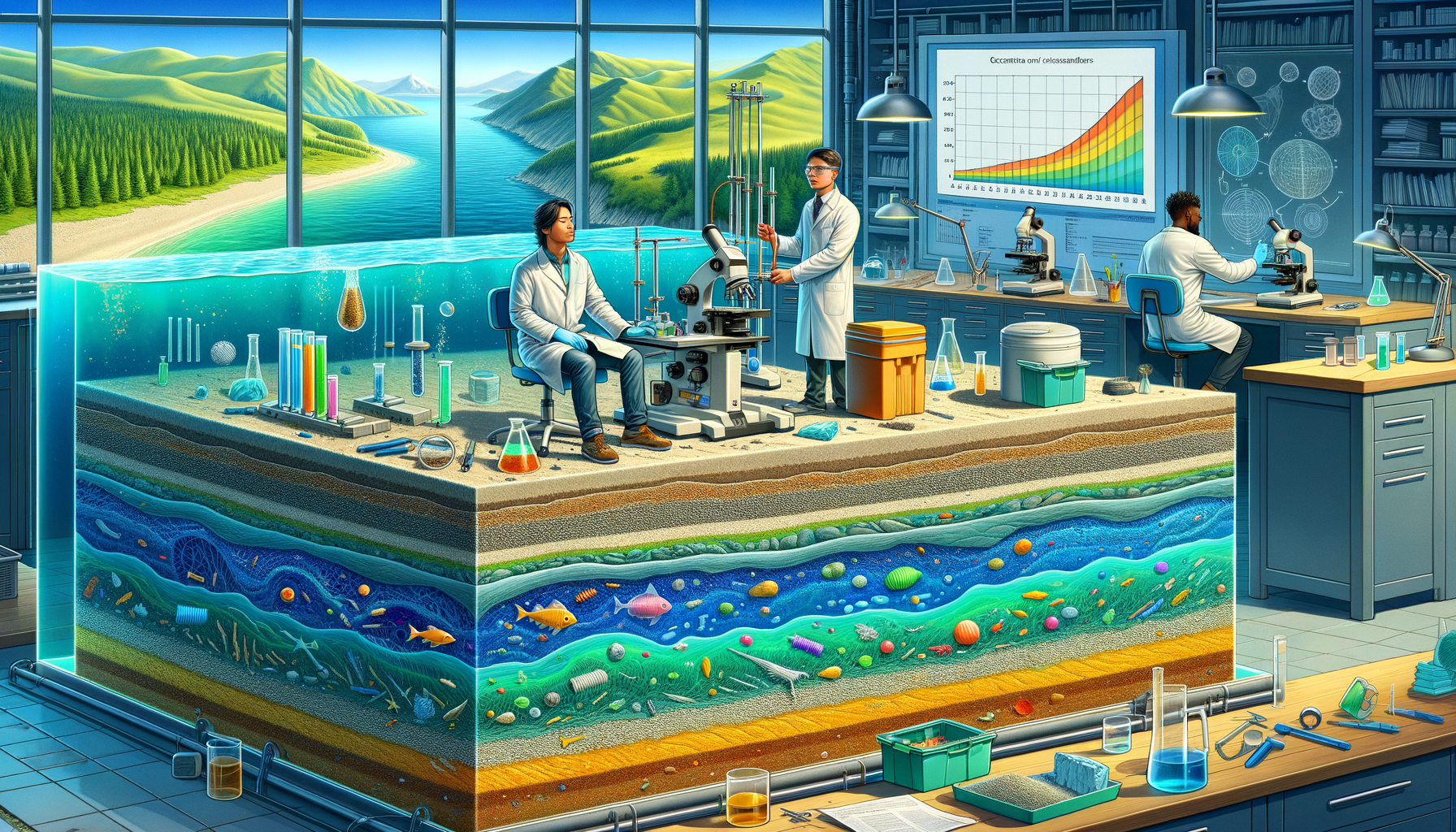
A team of interdisciplinary researchers from Penn State has published a study exploring the **historical rise of microplastics** in freshwater environments, directly correlating it with global plastic production since the 1950s. These tiny plastic particles, ranging from one micrometer to five millimeters, are primarily from broken-down larger plastics or manufactured directly. By analyzing sediment cores from four Pennsylvania watersheds, the study uniquely tracked microplastic levels in freshwater sediment from the pre-1950s to today, confirming a rise in line with plastic production. Contrary to widespread expectations, the research found no significant relationship between microplastic concentration and factors such as population density or land use. Instead, these factors did not drive variations in microplastic levels across the study sites. Interestingly, while microplastic accumulation surged each decade until 2010, a decline was noted from 2010 to 2020, possibly due to effective recycling efforts. During this period, the percentage of recycled plastic increased markedly, according to the U.S. Environmental Protection Agency. The study also contributes insights into the 'missing plastics' paradox, helping scientists understand why the expected volume of ocean plastics is not observed on the surface. It suggests that estuarine environments may trap river-borne plastics before they reach the ocean. According to Raymond Najjar, an oceanography professor involved in the study, estuaries could play a crucial role in this process, similar to how they process other river-borne materials. The researchers call for further study and more comprehensive assessments to evaluate the trapping of plastics in estuaries. They emphasize the importance of developing strategies to reduce plastic usage and exposure due to the potential health risks associated with microplastic ingestion and inhalation. The study was made possible with support from various institutes and a diverse team of experts from disciplines including chemistry, engineering, hydrology, oceanography, and soil science.